

How to Blend Eucalyptus and Tea Tree Essential Oils Safely for Aromatherapy
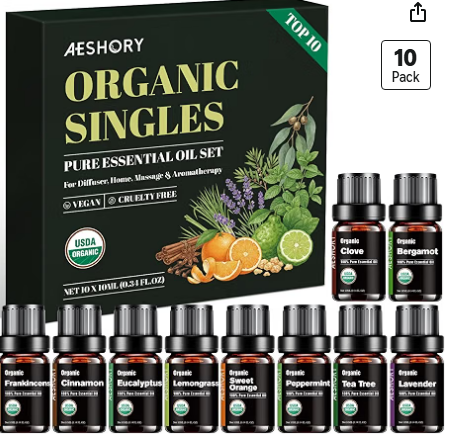
You're standing in the aisle, or scrolling your supplier catalog, trying to decide whether eucalyptus or tea tree should go into the blend. Maybe it's for a diffuser, a room spray, a chest rub, or a retail shelf that needs a clean, familiar aromatherapy story. The pair shows up together so often that it's easy to assume they're interchangeable, but the chemistry, safety boundaries, and dilution needs are different enough that a careless blend can irritate skin or overstate what the oils can do.
The appeal is real, though. Eucalyptus has a long commercial history, with plantation expansion now spanning more than 95 countries and a global planted area above 22.57 million hectares in recent syntheses, while tea tree oil has grown from Australian field production into the largest native Australian essential oil produced by volume (eucalyptus plantation synthesis, Australian essential oil history). Retailers stock them side by side because customers reach for them in the same moments, for freshness, cleansing, and respiratory comfort. The smarter question isn't which one is trendy. It's how to use each one safely, at the right concentration, for the right job.

Table of Contents
Why Eucalyptus and Tea Tree Oils Are a Popular Pairing - Why they sit together on shelves
The Chemistry Behind Each Oil - Eucalyptus and the role of 1,8-cineole - Tea tree and terpinen-4-ol
How These Oils Complement Each Other in Blends - Where the pairing makes the most sense
Safe Dilution Ratios for Every Application - A practical dilution guide - Why skin testing still matters
Sample Blends for Diffusers and Topical Use - Diffuser blends - Topical blends
Safety Boundaries and Contraindications You Must Know - The biggest no-go zones - Sensitivity and patch testing
Why Eucalyptus and Tea Tree Oils Are a Popular Pairing
A customer walks in during cold season and asks for “the oils that make the room feel clear.” Another wants something that smells clean after a workout bag gets opened in the car. In both cases, eucalyptus and tea tree land on the shortlist because they share a practical reputation, but they don't smell or behave the same way.
Eucalyptus carries a sharp, camphoraceous profile, and tea tree leans medicinal, earthy, and greener. That difference matters in blending, because one oil can open the aromatic top notes while the other gives the formula a grounded middle. The pair also fits neatly into the way shoppers think about wellness, as long as you keep the line clear between aroma support and medical treatment.
Why they sit together on shelves
Both oils are familiar enough that a beginner doesn't feel intimidated, and both have broad use cases in home fragrance, topical blends, and cleansing products. Eucalyptus also has a strong role in global forestry and oil markets, which helps explain why it's so widely available (global plantation review). Tea tree, by contrast, comes with a distinctly Australian origin story, from early wartime use to organized plantation development in the 1970s (history of Australian essential oil).
That history shapes expectations. People often buy eucalyptus for freshness and tea tree for “clean” scent associations, then assume they can swap one for the other. They can overlap in some blend ideas, but they don't substitute cleanly, especially once you move into topical use or product labeling.
Practical rule: Treat eucalyptus as a sharper aromatic accent and tea tree as a more medicinal, skin-sensitive oil. The blend works better when each oil keeps its own job.
For a consumer-facing overview of how eucalyptus is often framed for seasonal use, see this eucalyptus essential oil guide for sinus and cold routines. Use that kind of material as a starting point, not a reason to ignore dilution or contraindications.
The Chemistry Behind Each Oil
Eucalyptus and tea tree can both smell “cleansing,” but the chemistry underneath that impression is different. That's why a blend can feel balanced on the nose while still needing separate safety logic on the skin.
Eucalyptus and the role of 1,8-cineole
Eucalyptus essential oils are typically dominated by 1,8-cineole, also called eucalyptol, plus related terpenes. Their antibacterial effect is linked to hydrophobic membrane disruption, meaning the compounds partition into lipid bilayers, increase membrane fluidity and permeability, and cause leakage of intracellular contents (eucalyptus mechanism review). That mechanism helps explain why eucalyptus often feels especially aligned with fresh, opening aromas and why it's frequently discussed in respiratory blends.
The membrane effect is also why eucalyptus can be stronger against some Gram-negative bacteria. That doesn't make it a cure or a sterilizer, but it does explain its reputation in cleansing formulas where scent and microbial challenge both matter.
Tea tree and terpinen-4-ol
Tea tree oil is driven mainly by terpinen-4-ol, with antimicrobial activity tied to membrane-level damage. It inhibits microbial respiration, increases cytoplasmic membrane permeability, and disrupts chemiosmotic control, leading to leakage of ions and loss of metabolic function (tea tree mechanism review). In plain language, it disrupts how microbes maintain internal balance.
That distinction matters because tea tree isn't just “the other cleansing oil.” Its chemistry supports a different kind of antimicrobial profile, and its quality is judged by standards such as terpinen-4-ol content and a cap on 1,8-cineole (quality standard discussion). Eucalyptus monographs also note that adequate reproductive, genotoxicity, and carcinogenicity data are lacking, which is one reason sourcing and use limits matter so much.

In practice: If a formula needs a bright, penetrating aroma, eucalyptus usually does the heavy lifting. If it needs a more medicinal, skin-aware antimicrobial note, tea tree often fills that role better.
How These Oils Complement Each Other in Blends
The reason eucalyptus and tea tree show up together so often is simple, they cover different parts of the same blend goal. Eucalyptus contributes a clear, expansive aroma. Tea tree brings a sharper, more herbaceous medicinal tone, and the two together can make a blend feel more complete than either oil alone.
That complement is not just about scent. Because the oils lean on different antimicrobial chemistry, they can be combined in formulas where a broader aromatic and functional profile is desired. Tea tree's membrane-level action is distinct from eucalyptus's hydrophobic membrane disruption, so the pairing is about diversity of effect, not duplication (tea tree mechanism review, eucalyptus mechanism review).
Where the pairing makes the most sense
Respiratory blends are the obvious category, especially in diffusers and steam-style aromatherapy routines. Eucalyptus gives the inhale a bright, open feel, while tea tree keeps the aroma from becoming too one-note or perfumey. Cleansing room sprays are another natural fit, because customers often want a scent that reads fresh without smelling floral.
Topical formulas can also benefit from the pairing, as long as the concentration stays modest and the skin is suitable. A post-workout rub, for example, can use eucalyptus for its crisp profile and tea tree for its familiar clean scent, but the carrier and dilution matter more than the marketing description.
Blend logic to remember: Use eucalyptus for lift, tea tree for depth. If one oil starts overpowering the other, the formula usually loses clarity instead of gaining strength.
For retailers, the most useful mindset is product-fit rather than oil favoritism. A diffuser blend, a linen spray, and a chest rub all ask for different aromatic balance, even if they use the same two essential oils. If you're sourcing a diffuser setup or matching blends to devices, this best essential oil for diffusers guide is a practical reference point.

Safe Dilution Ratios for Every Application
A lot of well-meaning advice goes wrong with these oils. Both eucalyptus and tea tree are concentrated essential oils, and undiluted use raises the odds of irritation, especially on sensitive skin or in repeated use. Tea tree oil has been classified as harmful if swallowed and irritating to skin, with one risk review recommending cosmetic concentrations be limited to 1% (EMA monograph).
A practical dilution guide
For general adult body use, a lower is safer approach works best. For facial or sensitive areas, start at the lowest end and keep the formula simple. When you combine oils, remember that the total essential oil percentage is what matters, not the percentage of each oil separately.
Application Type | Dilution Percentage | Drops per 30ml Carrier Oil | Best For |
|---|---|---|---|
Facial or very sensitive skin | 0.5% to 1% | 3 to 6 drops total | Short-contact use, patch-tested blends |
General body use | 1% to 2% | 6 to 12 drops total | Daily aromatherapy body oils |
Massage or targeted body areas | 2% to 3% | 12 to 18 drops total | Chest, back, post-workout rubs |
Tea tree-focused cosmetic use | Up to 1% | 6 drops total | Skin products where irritation risk matters |
Carrier choice changes the feel of the blend too. Jojoba is light, sweet almond works well for massage, and fractionated coconut oil spreads easily on skin. For a deeper look at bases and feel, this carrier oil guide for skin is useful.
Why skin testing still matters
Even a well-diluted formula can irritate one person and feel fine on another. Patch testing catches that difference early.
Apply the blend to the inner forearm, cover it, and wait a full day before wider use.
If redness, itching, stinging, or a rash develops, stop using the blend. Don't “push through” a reaction because the ingredients are natural. Natural oils can still sensitize skin over time.
Sample Blends for Diffusers and Topical Use
Ready-made formulas help, but only if the measurements stay clear. A good blend feels simple to use and easy to scale, which is why retailers often need recipes that translate cleanly from home use to small-batch production. For products that rely on device-friendly aroma, a diffuser essentials guide can help you match the blend to the method.

Diffuser blends
For a respiratory-style diffuser blend, use 4 drops eucalyptus and 3 drops tea tree with water in the diffuser reservoir. Keep the run time moderate, and don't let the scent become aggressive.
For a cleansing blend in shared spaces, try 3 drops eucalyptus, 2 drops tea tree, and 1 drop of a softer supporting oil if the formula needs rounding out. This keeps the profile fresh without turning medicinal.
For a morning blend, eucalyptus can take the lead with tea tree in the background. The goal is alertness through aroma, not intensity through volume.
Topical blends
A chest and back rub works well at a low dilution, especially when the user wants a clean aroma without skin overload. Combine 1 drop eucalyptus and 1 drop tea tree into 1 tablespoon of carrier oil for a very light application.
A post-exercise massage oil can use a slightly fuller body-safe dilution, but the total essential oil load should still stay modest. If the skin is already warm, newly showered, or sensitive, choose the lower end.
A foot soak is trickier because water and essential oils don't mix cleanly, so the oil still needs a dispersing carrier or bath-safe base. Keep it simple and avoid the assumption that more oil means more benefit.
Retailer note: If you batch these formulas for resale, label the total essential oil percentage clearly and keep the use case narrow. A chest rub is not the same as a facial oil, even if the same two botanicals appear on the label.
Safety Boundaries and Contraindications You Must Know
A lot of online content blurs three different things, eucalyptus leaf tea, eucalyptus essential oil, and tea tree essential oil. Those are not interchangeable products, and the safety profile changes sharply depending on the format. Regulatory guidance says eucalyptus oil has no established safety data for pregnancy or lactation and is not recommended in those cases, and accidental overdose can cause gastrointestinal symptoms, central nervous system effects, and respiratory problems (EMA eucalyptus monograph).
The biggest no-go zones
Oral use is where confusion becomes risky fast. Eucalyptus oil is not the same thing as herbal tea, and essential oil ingestion should never be treated casually, especially around children. Oral use in young children is not established, which is exactly why family-friendly advice needs to be cautious rather than enthusiastic.
Tea tree oil deserves the same discipline. It has been classified as harmful if swallowed and irritating to skin, so it belongs in topical or aromatic contexts only, at proper dilution and away from mouths, eyes, and broken skin (EMA monograph).
Sensitivity and patch testing
If someone has reactive skin, eczema, or a history of fragrance sensitivity, a patch test isn't optional. Use the final dilution, apply a small amount to the inner forearm, and wait before regular use. If the area turns red or itchy, the blend needs to be reformulated or avoided.
For a consumer-friendly breakdown of tea tree use in skincare, this tea tree safety and skincare guide is a useful companion resource. It's best read alongside the label, not instead of it.
Bottom line: If a blend is meant for children, pregnancy, or oral use, pause and verify the exact format first. Essential oil advice should never be copied from one product type to another.
How to Evaluate Oil Quality When Sourcing
If you buy essential oils for retail, spa use, or home blending, quality starts with documentation. Tea tree oil quality is defined by chemistry standards such as terpinen-4-ol content and a cap on 1,8-cineole, while eucalyptus monographs emphasize that adequate reproductive, genotoxicity, and carcinogenicity data are lacking (quality standard discussion). That means supplier transparency matters more, not less.
What to ask for
Request a current certificate of analysis and a basic GC-MS report. You're looking for the botanical name, batch number, country of origin, and the main chemical markers that match the intended oil. If the paperwork is vague, or if the seller can't tell you what chemotype you're buying, treat that as a red flag.
You can also compare the scent to the chemistry. Tea tree that smells unusually sweet or flat may not match a clean terpinen-4-ol profile, while eucalyptus that smells weak or oddly perfumed may have been cut or altered. That's not proof of adulteration by itself, but it's enough to ask more questions.
For sourcing across product lines, this product sourcing guide can help you build a more disciplined buying checklist.
FAQ Questions
1. Can eucalyptus and tea tree essential oils be used in the same diffuser every day?
They can be used regularly, but daily use should be moderated based on the diffuser size, room ventilation, and individual sensitivity. Rather than running a strong blend continuously, use shorter diffusion sessions and allow fresh air into the space.
2. What essential oils blend well with eucalyptus and tea tree?
Several oils can soften or expand the aroma of eucalyptus and tea tree. Lemon and peppermint can create a brighter, fresher profile, while lavender can make the blend feel softer and less medicinal. Rosemary may also complement the herbal character of both oils.
3. How should eucalyptus and tea tree oils be stored after opening?
Store both oils in tightly sealed containers away from direct sunlight, heat, and excessive air exposure. Essential oils can gradually oxidize after opening, which may change their aroma and increase the likelihood of skin sensitivity in some users.
4. Can eucalyptus and tea tree oils be used to make homemade cleaning products?
Yes. Their strong, fresh aromas make them popular additions to homemade cleaning products such as surface sprays and deodorizing formulas. However, essential oils should not automatically be treated as registered disinfectants or substitutes for products specifically approved for sanitizing or disinfecting.
5. What is the best way to test a new eucalyptus and tea tree aroma blend?
Start with a very small test batch and evaluate the scent before making a larger quantity. Smell the blend on a fragrance strip or in the intended application, then adjust one oil at a time. This makes it easier to identify which ingredient is changing the overall aroma.
Good sourcing is chemistry first, marketing second. If the label, lab report, and scent don't line up, don't assume the oil is fine because it's popular.
When you're choosing between eucalyptus and tea tree, don't ask which one is “better.” Ask which one fits the blend, the skin type, the audience, and the delivery method. That's how you avoid sensitization mistakes and build products people can use.
Aroma Warehouse carries eucalyptus and tea tree essential oils alongside the blending and packaging supplies that make safe aromatherapy easier to build, label, and sell. If you're sourcing for home use, a spa menu, or a small retail line, visit Aroma Warehouse to explore the tools and ingredients that support practical, safety-minded blending.


