

Blackberry Vanilla Fragrance: Notes, Uses, and Blending

A boutique owner can order two oils labeled blackberry vanilla fragrance from different suppliers and discover that one smells like tart, dark berry skin while the other leans toward vanilla dessert with only a trace of fruit. Neither sample is automatically wrong. The label describes a scent direction, not a single standardized natural extract.
That distinction matters when you're choosing stock for candles, incense, bath products, diffusers, or private-label fragrance oils. A useful evaluation starts with the accord's construction, then moves to performance in the finished product, storage behavior, documentation, and the language you'll use with customers.
Table of Contents
Why Blackberry Vanilla Is a Recipe, Not an Ingredient - What changes from supplier to supplier
Breaking Down the Blackberry Vanilla Scent Profile - The fruity opening - The heart and the creamy base
Where Blackberry Vanilla Works Best - Choosing the right format
Starter Blending Recipes for Candles, Diffusers, and Bath Salts - A rounded candle direction - A diffuser profile with more lift - A bath-salt starting blend
Storage, Packaging, and Shelf Life Best Practices - Packaging choices that protect the profile - A useful quality-control routine
Safety, Allergies, and Honest Sustainability Claims - Match advice to the exposure route - Sustainability needs evidence
Why Blackberry Vanilla Is a Recipe, Not an Ingredient
Blackberry vanilla is best understood as a constructed accord, or a deliberate combination of aroma materials designed to create a recognizable impression. Fresh blackberries don't yield one isolated “blackberry molecule” that reproduces the entire fruit. Research has identified more than 250 volatile compounds across blackberry fruit, essence, juice, and related products, including esters, aldehydes, ketones, lactones, terpenoids, norisoprenoids, alcohols, phenolics, furanones, and acids. The University of Oregon reference on small-fruit aroma chemistry provides the scientific background.
That complexity explains a familiar buying experience. One supplier's version may open with juicy berry sweetness, green brightness, and a faint acidic edge. Another may use a darker fruit profile, more floral lift, and a creamy vanilla base. Both can fit the name, because the formulator has room to decide how much emphasis belongs on the berry, the floral facets, the sweetness, and the dry-down.
What changes from supplier to supplier
Cultivar, ripeness, harvest conditions, extraction method, and the balance between fruity top notes and vanilla-like base materials all influence the finished impression. Even when a formula uses aroma compounds rather than a direct fruit extract, those variables remain useful as a vocabulary for describing the target.
For a wholesale buyer, the practical question isn't “Which label is correct?” It's “Which interpretation fits my product and customer?” A bright, tart version may suit a summer body product or contemporary home fragrance. A dense, creamy version may work better in gift sets, incense, candles, or winter merchandising.
Buying rule: Treat the name as the starting brief. Treat the sample, technical documentation, and finished-product test as the decision.
Smell the oil on a blotter, then smell it again after dilution in the intended base. Record the opening, the middle impression, and the dry-down. A fragrance that seems richly fruity in the bottle can become mostly vanilla in a carrier, while a sharper berry profile may become greener or more floral after aging.
The rest of the evaluation should follow that recipe mindset. Identify the fruit behavior, assess the vanilla structure, test the medium, and confirm that packaging preserves the intended balance. A blackberry vanilla accord is flexible, but flexibility isn't the same as uniformity.
Breaking Down the Blackberry Vanilla Scent Profile
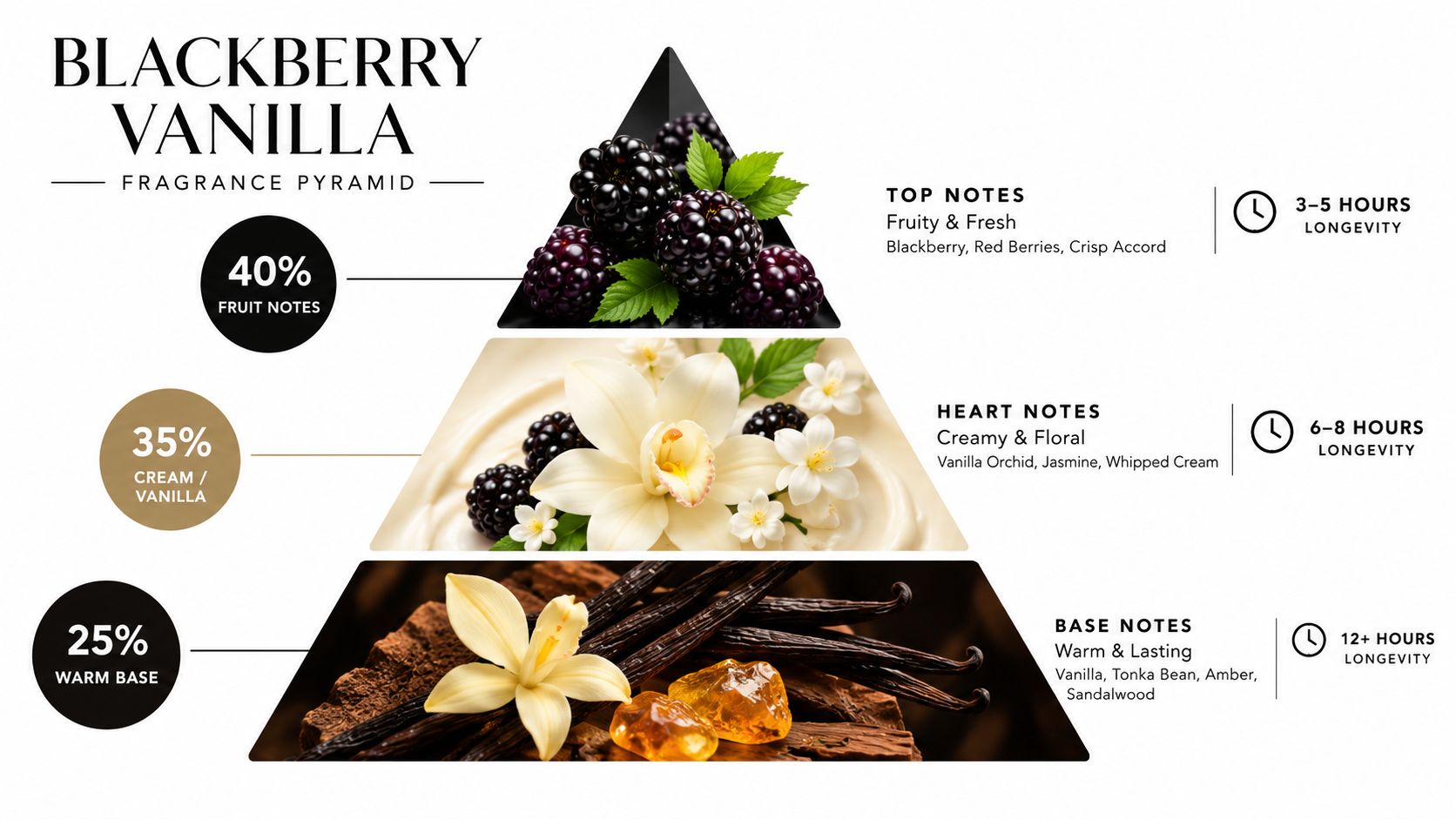
A buyer can approve the same “blackberry vanilla” label from two suppliers and receive noticeably different oils. One may open with tart berry and green lift, while another leads with syrup, cream, and balsamic warmth. The accord is built from overlapping materials, so evaluate its evaporation curve rather than relying on the name.
The fruity opening
Blackberry materials supply the recognizable identity. Esters, aldehydes, ketones, acids, and related compounds can suggest ripe berry flesh, syrup, green stem, floral brightness, or mild tartness. Reported blackberry odorants include 2-heptanol, 2-heptanone, linalool, alpha-terpineol, furaneol, beta-ionone, and hexanal. Each supports part of the impression rather than replacing a complete blackberry accord.
The opening may be fresh and lightly green, or dark, cooked, and confectionery. Smell the first few minutes separately from the dry-down. The opening determines shelf appeal and first-use impact, while the later stages show whether the formula has enough structure to remain convincing.
The heart and the creamy base
Linalool and related terpenoid materials can add floral lift. Ionone-type effects may bring violet, dark berry, or powdery nuances. Vanilla contributes warmth, creaminess, sweetness, and balsamic depth, rounding sharper fruit facets and giving the blend a fuller finish.
Cultivar chemistry shows why berry character can shift. In the cited research, ‘Marion' showed a furaneol odor-activity value five times higher than ‘Black Diamond,’ while ‘Black Diamond' showed a linalool odor-activity value three times higher than ‘Marion.’ The descriptions matched those differences: ‘Marion' read as more berry-like and fruity, while ‘Black Diamond' appeared more floral. The broader fragrance-market context is covered by the fragrance-market and blackberry-profile discussion, although that source addresses fragrance overall rather than this specific accord.
For a practical example of balancing fruit with vanilla without allowing the base to dominate, Next Point Digital Bull Moose Blend provides useful context for layered scent construction. A vanilla fragrance oil guide also helps buyers assess how different vanilla materials change the personality of a finished blend.
Evaluate every sample against these five questions, in this order, before comparing suppliers:
Fruit intensity: Does the berry arrive clearly, or does vanilla obscure it?
Tartness: Is there enough acidity and green lift to avoid a flat, sugary effect?
Floral nuance: Does the heart add polish, or pull the profile away from blackberry?
Creaminess: Does vanilla soften the fruit without making the oil feel heavy?
Dry-down: Does the base remain pleasant after the opening fades?
The strongest option is not automatically the most realistic fresh berry. Choose the balance that survives the intended product format and supports the retailer's positioning. Record blotter results, diluted results, and aging observations before placing a wholesale order.
Where Blackberry Vanilla Works Best
Blackberry vanilla performs differently depending on the material around it. A buyer choosing between incense, candles, diffusers, and bath products is selecting more than a delivery format. Each substrate changes how the accord releases, how long the fruit remains recognizable, and which testing risks need attention.
Incense pushes the profile toward smoke, warmth, and resinous depth. Electric diffusers show the top and heart more directly. Candles can increase perceived sweetness while exposing wax incompatibility, wick problems, or discoloration. Bath products require skin-use documentation, and reed systems depend heavily on carrier composition and evaporation rate.
Choosing the right format
Hand-dipped incense sticks and cones suit a darker, more atmospheric blackberry vanilla. Processing and combustion can soften tart fruit while bringing vanilla, woods, resins, and smoke forward. If the finished impression becomes sugary, a restrained sandalwood or amber direction can restore definition without discarding the gourmand character.
Personal-use fragrance oils require the clearest documentation because skin contact changes the safety requirements. An oil intended for a warmer or diffuser is not automatically suitable for topical use. Candles need wax and wick trials, not only a successful cold sniff. Vanillin-heavy profiles can also alter the appearance of some finished products, so assess fragrance performance and visual stability together.
For electric and reed diffusers, carrier behavior can matter as much as the concentrate. Use this reed diffuser base guide when comparing evaporation characteristics and carrier choices. A faster base may give stronger early diffusion but shorten the product's useful life. A slower base may preserve longevity while reducing the initial impression. Bath salts and soap can make the same accord feel clean, creamy, or dessert-like, depending on the unscented base and colorants.
Format | Typical Load | Best Carrier | Watch For |
|---|---|---|---|
Incense sticks and cones | Follow the incense supplier's tested loading guidance | Suitable incense solvent or dipping system | Smoke can mute tart berry and amplify vanilla |
Skin-use fragrance oil | Use only the supplier's documented skin-safe limit | Approved cosmetic carrier | Exposure route, allergen disclosure, and intended-use limits |
Candles | Start with the wax supplier's fragrance guidance | Compatible candle wax | Cold throw, hot throw, wick behavior, and discoloration |
Bath salts and soap | Use the documented rinse-off or wash-off limit | Unscented salt, soap, or cosmetic base | Skin sensitivity, solubility, and scent retention |
Electric diffuser | Follow the diffuser and oil supplier's instructions | Compatible diffuser medium | Heat, ventilation, residue, and over-saturation |
Reed diffuser | Follow the base and fragrance supplier's tested range | Reed diffuser base | Evaporation speed, reed performance, and bottle compatibility |
Before committing to wholesale volume, run a small finished-product trial in the exact substrate and packaging planned for sale. Compare the opening, mid-stage, and dry-down, then inspect color, residue, and container compatibility. A fragrance that wins on a blotter can lose its blackberry character in wax, salt, soap, or incense. Select the format in which the accord keeps its intended fruit-to-vanilla balance, not merely the format with the strongest first impression.
Starter Blending Recipes for Candles, Diffusers, and Bath Salts
A starter formula should give you a direction, not pretend to be a universal production specification. Fragrance oils vary in strength and composition, and each finished product requires compatibility and safety testing. Begin with small batches, record the exact materials, and adjust one variable at a time.
A rounded candle direction
For a candle trial, use the wax supplier's permitted fragrance range as the controlling limit. Within that finished fragrance portion, begin with:
Blackberry vanilla core: 80 parts
Sandalwood accent: 10 parts
Bergamot-style lift: 5 parts
Soft cocoa nuance: 5 parts
The sandalwood supports the base without erasing the berry. Bergamot-style lift can sharpen the opening, while cocoa adds a subtle gourmand shadow. Test the blend in the selected wax with the intended wick, because a successful scent concentrate doesn't guarantee good hot throw or clean burning. The candle fragrance blending guide offers a practical reference for organizing that trial.
A diffuser profile with more lift
For an electric diffuser, keep the core straightforward:
Blackberry vanilla fragrance: 90 parts
Bergamot-style accent: 5 parts
Sandalwood or light wood note: 5 parts
This version preserves the named profile while giving the opening more definition and the finish a little structure. Use only a compatible diffuser medium and follow the equipment supplier's instructions. Don't assume that a candle or cosmetic dilution transfers directly to a heated or ultrasonic device.
A bath-salt starting blend
For a bath-salt product, keep the scent architecture softer:
Blackberry vanilla core: 94 parts
Creamy floral accent: 3 parts
Light citrus lift: 3 parts
Add the fragrance to a properly prepared unscented salt base at the supplier's documented bath-product limit. Blend thoroughly, allow the salt to rest in a sealed container, and then assess the scent in the actual package. A bright berry opening can become quieter in salt, while excessive vanilla may make the product feel heavy.
Batch discipline: Keep a control sample of the fragrance concentrate and a finished-product sample. Compare both after resting, because the concentrate may remain stable while the base changes how the accord reads.
Storage, Packaging, and Shelf Life Best Practices
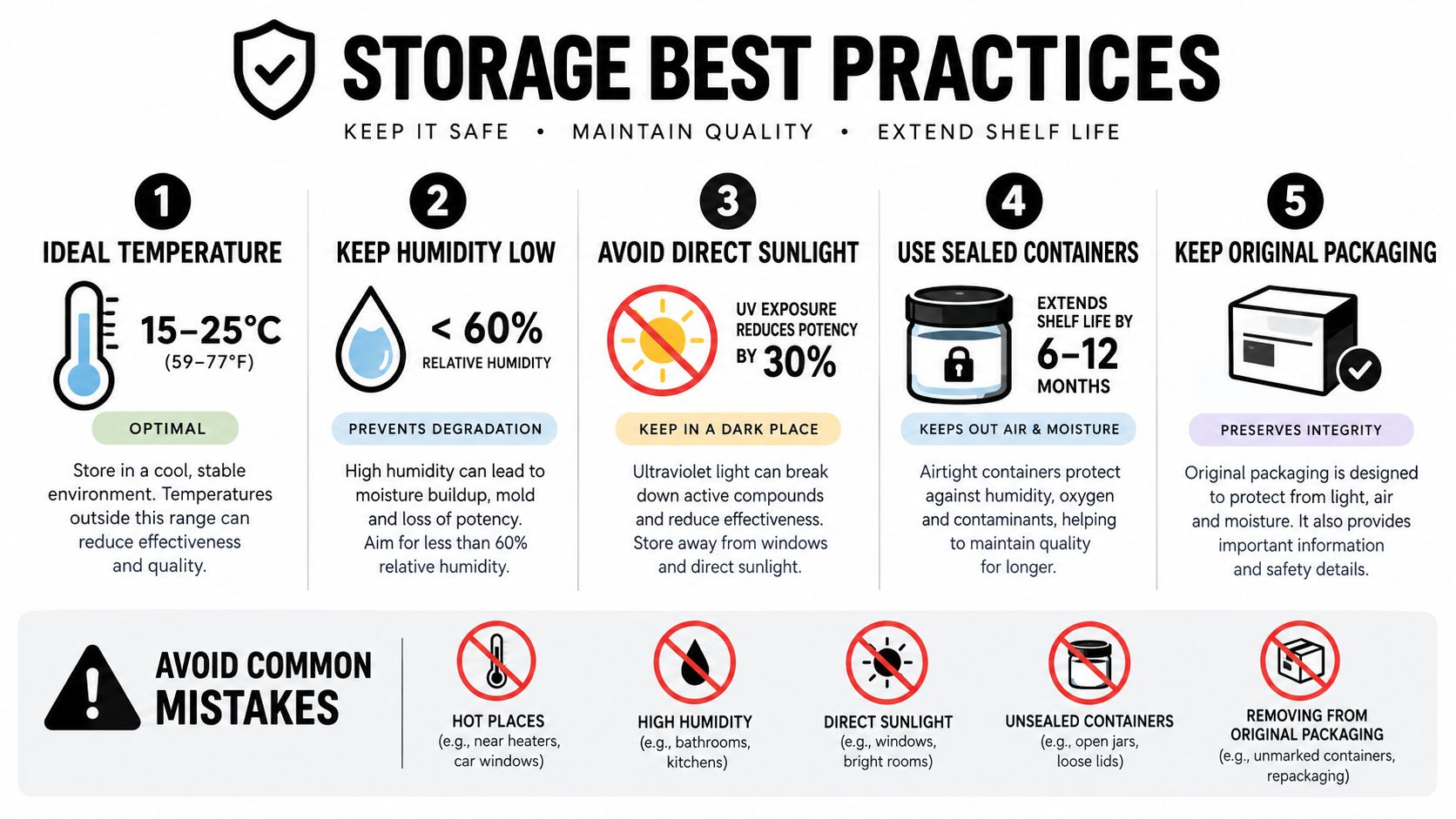
Vanilla-heavy accords can look unchanged while their aroma shifts. Natural vanilla contains more than 170 volatile compounds, and vanillin is reported as the principal odorant contributing roughly 80 to 90% of characteristic vanilla aroma. Vanillin can undergo enzymatic oxidation, thermal degradation, and light-induced reactions, which may reduce stability and shorten useful shelf life. The referenced vanilla chemistry research explains why heat, oxygen, and light deserve attention.
Packaging choices that protect the profile
Use tightly closed containers with limited headspace, especially for concentrated oils and partially used stock. Opaque or UV-protective packaging is preferable where feasible, and direct sunlight or high temperatures should be avoided. Repeated opening introduces fresh oxygen, so decanting working quantities can reduce exposure to the main batch.
Container closures matter. A compatible cap, liner, reducer, or dropper should prevent leakage and limit unnecessary air exchange. Review bottle cap types and closure options before standardizing a private-label package.
A packaging supplier's guide, such as the Material Handling USA poly bag guide, can help when designing secondary protection for packed goods. Secondary packaging won't fix poor storage, but it can reduce handling damage and keep labels and outer presentation intact.
A useful quality-control routine
Retain a sealed reference sample from every batch. Smell it immediately after filling, then compare it with stock after warm or light screening and at defined review points. Appearance alone won't reliably reveal aroma drift, so use a consistent blotter, dilution, room, and evaluation time.
The table below deliberately avoids invented universal shelf-life promises. The appropriate range depends on formulation, container, preservative system where relevant, exposure, and supplier documentation.
Product Format | Typical Shelf Life | Key Storage Rule |
|---|---|---|
Concentrated fragrance oil | Supplier-defined and batch-dependent | Keep tightly closed, cool, and protected from light |
Diluted diffuser oil | Supplier-defined and exposure-dependent | Minimize headspace and repeated cap opening |
Finished candle | Dependent on wax, fragrance, wick, and package | Store sealed and away from heat and sunlight |
Bath salts or soap | Dependent on base and packaging | Protect from moisture and compare scent after curing |
Incense | Dependent on substrate, dipping, and wrap | Keep dry, sealed, and away from strong competing odors |
Safety, Allergies, and Honest Sustainability Claims
“Natural,” “botanical,” and “fragrance-free” aren't complete answers to a customer's safety question. A fragrance oil may contain aroma materials that require disclosure, and a product marketed as fragrance-free can still contain fragrance-related compounds, as documented in the clinical research discussed below.
A 2025 clinical study of 2,038 patch-tested patients examined possible cross-reactivity between fragrance allergy and commonly used botanical compounds. It found no significant cross-reactivity for the investigated botanicals, while also noting that many personal-care products contain fragrance-related compounds even when marketed as “fragrance-free.” The published clinical study supports a careful, specific answer rather than a blanket claim that blackberry vanilla is hypoallergenic.
Match advice to the exposure route
Skin application, diffusion, soap-making, bath products, and incense involve different exposure patterns. A fragrance oil suitable for a warmer isn't automatically appropriate for leave-on skin use, and a material that performs well in incense shouldn't be described as a therapeutic treatment.
Ask suppliers for:
Intended-use documentation: Confirm whether the material is approved or documented for candles, diffusion, rinse-off products, leave-on products, or incense.
Allergen information: Request the relevant ingredient and allergen disclosures for the intended market.
Usage limits: Follow the supplier's documented concentration guidance rather than copying a rate from another product.
Testing instructions: For properly formulated topical products, provide clear patch-testing guidance and stop-use instructions.
Ventilation advice: Recommend reasonable ventilation for diffusion and incense, especially in small or shared spaces.
Use the fragrance labeling requirements guide when preparing retail packaging or private-label descriptions.
Sustainability needs evidence
“Natural” doesn't automatically mean lower impact. Cultivation, extraction, transport, formulation, dosage, packaging, refillability, and end-of-life handling all affect the environmental picture. A responsibly formulated aroma compound may have a different profile from a cultivated or extracted material, but the label alone can't settle that comparison.
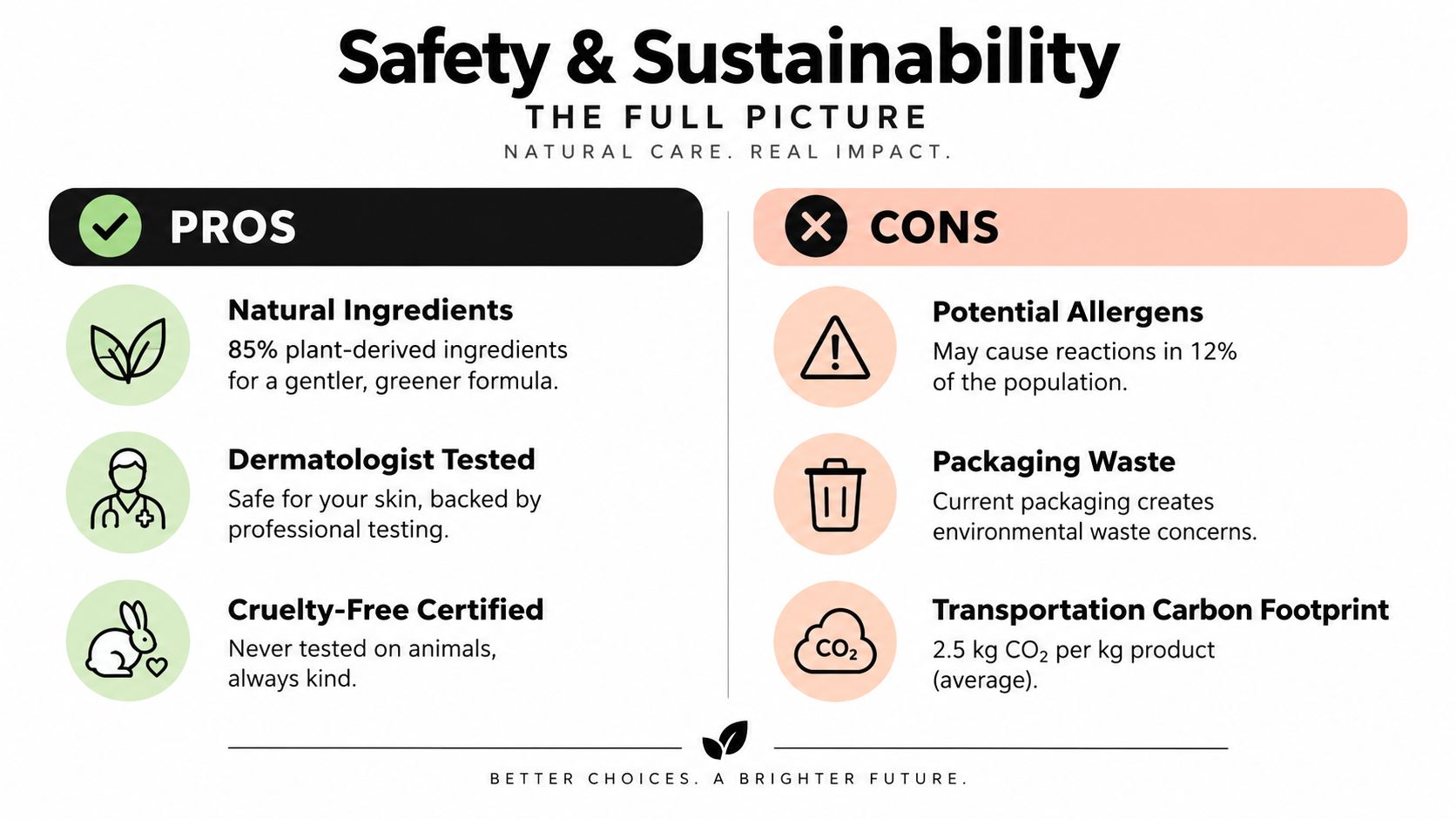
Before making a sustainability claim, request:
Packaging details: Recycled content, refill options, material type, and disposal guidance.
Sourcing records: Country of origin where available and responsible-sourcing information.
Product documentation: Batch records, allergen disclosures, and cruelty-free status where applicable.
Impact evidence: Carbon-footprint or life-cycle information, if available.
Formulation context: Whether the claim applies to the ingredient, the finished product, or the entire package.
Marketing Copy and Merchandising Ideas for Retailers
Customers understand blackberry vanilla faster when the copy describes contrast. Lead with the dark berry impression, then explain how vanilla changes the finish.
A product description could read:
Dark blackberry, softened by vanilla cream. This accord opens with ripe berry brightness, settles into a gentle floral-fruity heart, and finishes with warm sweetness and balsamic depth.
For a scent-note card, use Blackberry, soft floral nuance, creamy vanilla, warm balsamic finish. That gives shoppers a usable map without promising that the oil reproduces the complete chemistry of fresh fruit.
Shelf-talkers can be more direct:
“Berry brightness with a smooth vanilla finish.”
“A darker fruit accord for candles, incense, and home fragrance.”
“Juicy blackberry character, softened by creamy warmth.”
Merchandise it beside sandalwood, cocoa, amber, or complementary incense profiles, but don't imply that every combination is pre-tested. Gift sets can pair a candle or diffuser with a smaller fragrance oil sample, while online listings should state the intended use, package size, scent profile, and any relevant safety limitation clearly.
Avoid unsupported language such as “allergy-safe,” “non-toxic,” “chemical-free,” or “therapeutic.” Specialist copy sounds more trustworthy when it describes what the buyer can smell and how the product should be used.
Frequently Asked Questions 1. What fragrances pair well with blackberry vanilla for seasonal product collections?
Blackberry vanilla pairs well with warm woods, amber, cocoa, soft florals, and complementary fruit fragrances. For fall collections, try a deeper woodsy direction. For spring and summer products, lighter floral or citrus accents can give the berry profile a fresher feel.
2. How can retailers make blackberry vanilla fragrance products stand out in a crowded market?
Focus on the scent experience and intended use rather than relying on the fragrance name alone. Offer clear scent descriptions, attractive packaging, sample sizes where practical, and coordinated products such as incense, candles, or home fragrance items. Consistent descriptions help customers understand what makes your version distinctive.
3. How should wholesale buyers compare the cost of blackberry vanilla fragrance oils?
Compare the price per ounce, minimum order quantity, shipping costs, documentation, and consistency between batches. A lower price per bottle may not provide the best value if the fragrance performs poorly in your finished product or requires a higher fragrance concentration. Evaluate samples before committing to a larger order.
4. Can blackberry vanilla fragrance be combined with other fruit scents?
Yes, it can be tested with complementary fruit accords such as plum, raspberry, pear, or dark cherry. Start with a small test blend, keeping blackberry vanilla as the main scent, then adjust the secondary fragrance gradually. Test the finished mixture in its intended application before producing a larger batch.
5. What information should a fragrance oil supplier provide before a business places a bulk order?
Ask for the current technical data sheet, safety data sheet where applicable, intended-use guidance, applicable usage limits, allergen information, and batch identification. For regulated applications, request the documentation needed for your specific product category and market. Confirm that the supplier can support consistent reordering before building a product line around the fragrance.
Bringing Blackberry Vanilla to Market
Use this checklist before your next reorder:
Evaluate the sample on a blotter and in the intended base, not only from the bottle.
Choose the launch format according to the accord's strongest behavior, whether that's incense warmth, candle richness, or diffuser lift.
Protect the stock with low-headspace, tightly closed, light-resistant packaging and a retained reference sample.
Request documentation for intended use, allergens, usage limits, sourcing, packaging, and sustainability evidence.
Describe the contrast between dark berry brightness and creamy vanilla instead of relying on generic “sweet and fruity” copy.
Visit Aroma Incense Warehouse to source fragrance oils, incense, bath salts, diffuser supplies, bottles, and accessories for testing or resale. Use the available wholesale and private-label supplies to evaluate your blackberry vanilla concept in the actual format you plan to sell, then build your final product around verified documentation and consistent batch handling.


