

Oil Burners for Home: A Complete Explainer & Guide
Updated: May 15

You’re probably here because you want your space to smell better, feel calmer, or make a stronger impression on guests or customers. Maybe you’ve seen a ceramic burner glowing on a shelf, or maybe you run a yoga studio and want a signature scent that feels welcoming without turning into a fog machine. Either way, the term oil burners for home can get confusing fast, because some people mean fragrance warmers and others mean full home heating equipment.
At Aroma Warehouse, we talk with both kinds of shoppers all the time. Some want a simple burner for a bedroom nightstand. Others need several flameless units for treatment rooms, waiting areas, or retail displays. The trick is knowing what kind of oil burner you’re shopping for, how it works, and which style fits your room, routine, and safety needs.
Table of Contents
What Are Home Oil Burners and How Do They Work - The basic parts - Where people get confused
A Guide to Different Types of Oil Burners - Tea-light burners - Electric burners - Materials and style choices - Oil Burner Types at a Glance
How to Choose the Right Oil Burner for Your Space - Start with the room - Match the burner to your lifestyle
Safety First A Guide to Using and Caring for Your Burner - Safe everyday use - Cleaning and upkeep
Perfect Pairings Scents for Every Mood and Room - Simple scent ideas that work - Matching scent strength to burner style
For Professionals Burners in Studios and Retail - Studios and treatment spaces - Retail displays and customer experience
Wholesale and Bulk Buying from Aroma Warehouse - Why buying in bulk makes sense - What to look for in a wholesale supplier
What Are Home Oil Burners and How Do They Work
When most shoppers say oil burners for home, they mean a small fragrance burner that gently warms scented oil so aroma spreads through the room. They do not mean an oil-fired furnace or boiler used to heat a whole house. That distinction matters, because heating equipment has its own long history. Fuel oil burners for residential heating became practical for home use by 1925, and fuel oil was used in 32% of U.S. homes by 1960, according to this historical overview of oil heating. That’s a completely different category from an aromatherapy burner on your coffee table.
A fragrance oil burner is much simpler. It functions as a tiny stovetop for scent. A small heat source sits underneath. A dish or bowl holds water with a few drops of fragrance or essential oil above it. As the dish warms, the scent rises into the air.

If you’re browsing actual fragrance warmers and home aroma accessories, you can see common styles in this collection of oil burners for fragrance use.
The basic parts
Most home fragrance burners have three simple components:
A heat source. Usually a tea light candle or an electric warming element.
A top dish. This holds water and oil, or in some designs wax melts.
An open body or frame. This allows heat to rise from below.
That’s why these products feel approachable. There’s no complicated setup. You fill the dish, apply heat, and let the fragrance unfold gradually.
Practical rule: If the burner is meant for aromatherapy or home fragrance, it should warm oil gently, not boil it aggressively.
Where people get confused
A lot of confusion comes from the word “diffuser.” An ultrasonic diffuser uses water and vibration to create mist. A nebulizing diffuser pushes pure oil into the air without heat. An oil burner uses heat to release fragrance. All three scent a room, but they behave differently.
Another point that trips people up is whether you put pure oil directly in the dish. In most tea-light burners, it’s safer and cleaner to add water first, then a small amount of oil. That helps prevent scorching and makes cleanup easier.
A Guide to Different Types of Oil Burners
Some people choose by look first. Others choose by safety, maintenance, or how long they want fragrance to last. Both approaches are fine, but each burner type behaves a little differently.

If you’ve ever gone back and forth between several scenting methods, this comparison of oil burners vs reed diffusers helps clarify where burners fit.
Tea-light burners
These are the classic oil burners for home. A small candle sits underneath the dish and provides steady warmth. Many customers love them because they’re decorative, simple, and easy to use without cords.

Ceramic tea-light burners are the familiar favorites. They come in glossy, matte, carved, or cutout designs. Ceramic holds heat well, so fragrance often develops nicely after a short warm-up.

Glass tea-light burners usually look lighter and more delicate. They can be beautiful in modern or airy spaces, but they require more careful handling. If you’re placing a burner in a high-traffic area, glass isn’t always the first pick.
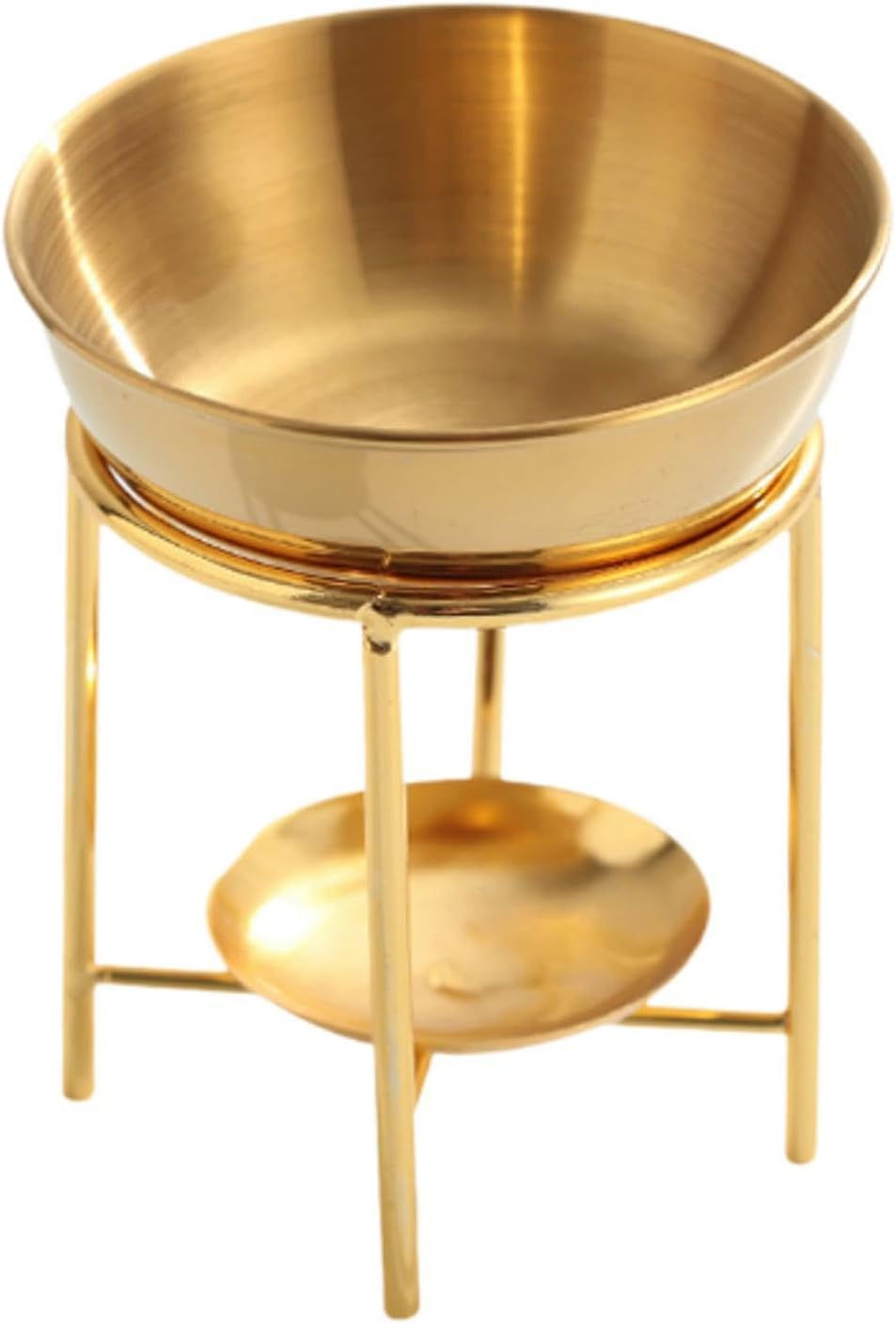
Metal tea-light burners can feel more contemporary or industrial. Some have open frameworks with a removable bowl on top. They’re often easy to wipe down, though the frame itself can get hot.
Tea-light burners tend to create a cozy mood because the flame is part of the experience. That makes them a natural fit for evenings, baths, meditation corners, and seasonal decor.
Electric burners
Electric models trade candlelight for convenience. Instead of a flame, they use a warming plate, warming cup, or bulb-based heat source.
These burners work well when you want:
Flameless operation for homes with children, pets, or busy common areas
Consistent scenting over longer periods
Less daily fuss since you’re not replacing tea lights
Use in professional settings where open flame may not fit the environment
Some electric warmers are compact plug-in units for smaller spaces like hallways, powder rooms, or reception corners. Others sit on a tabletop and suit living rooms, studios, or shop counters.
A tea-light burner feels atmospheric. An electric burner feels practical. Neither is universally better. The right one depends on the room and the routine.
Materials and style choices
Material changes more than appearance. It also affects how a burner fits into your daily life.
Ceramic feels timeless and works with almost any decor style, from farmhouse to minimalist.
Glass suits polished, airy interiors and shoppers who want the oil and light to stay visible.
Metal often fits modern, masculine, or commercial spaces.
Wood accents can soften the look of a burner, though the actual heated area still needs to be designed for safe warming.
Soapstone or stone-look pieces appeal to customers who want a grounded, natural feel in meditation rooms or yoga spaces.
A wooden shelf, neutral walls, and soft lighting often pair nicely with a matte ceramic burner. A sleek salon desk may look sharper with a metallic electric warmer. The same fragrance can feel completely different depending on the vessel.
Oil Burner Types at a Glance
Burner Type | Heat Source | Pros | Cons | Best For |
|---|---|---|---|---|
Candle flame | Decorative, cozy glow, simple to use | Open flame, needs monitoring, dish can get hot | Bedrooms, living rooms, gift giving | |
Candle flame | Elegant look, visually light | More fragile, still requires flame safety | Low-traffic home spaces | |
Candle flame | Modern style, sturdy frame | Surface can get hot, less traditional look | Contemporary decor | |
Electric warming element or bulb | Flameless, steady scent, easy for longer use | Needs outlet, less candle ambiance | Studios, offices, busy homes | |
Electric warming element | Compact, tidy, great for small areas | Limited throw depending on design | Hallways, bathrooms, entry points |
How to Choose the Right Oil Burner for Your Space
A good burner should fit your room, but it should also fit your habits. That’s where most buying decisions go right or wrong. People often choose the prettiest burner, then realize it doesn’t make sense for the way they live or work.

Start with the room
Ask yourself what the room needs from fragrance.
A small bathroom or entryway usually doesn’t need a large burner or a strong oil blend. A compact electric plug-in or a small tea-light burner is often enough. In a living room, you may want a larger dish and a style that looks intentional on a side table or shelf.
For a yoga room or treatment room, scent should feel present but not distracting. That usually points people toward a flameless electric warmer with a softer, more consistent release.
Try these quick decision prompts:
Is the space busy or quiet? Busy rooms often do better with flameless units.
Do people move around a lot? If yes, avoid anything easy to bump.
Will the burner be part of your decor? If yes, match finish and shape to the room.
Match the burner to your lifestyle
A burner can be perfect on paper and wrong in practice.
If you love evening rituals, dim lights, and a slower pace, a ceramic tea-light burner often feels satisfying. If you want to turn on fragrance during work hours, while tidying, or while greeting customers, electric models usually make life easier.
Here’s the plain version:
Choose tea-light burners if you enjoy the visual warmth of a candle and don’t mind active setup.
Choose electric burners if safety, convenience, and repeatable scenting matter most.
Choose durable materials if the burner will be used often or placed in a shared space.
Choose a simpler design if you know cleanup tends to get postponed.
If you have pets, children, or frequent foot traffic, a flameless burner is often the easier choice to live with day after day.
Aesthetic still matters. Rustic interiors often welcome earthy ceramic or stone-look pieces. Cleaner modern spaces usually look better with smooth glass or metal. You don’t need the burner to “match” everything. You just want it to look like it belongs there.
Safety First A Guide to Using and Caring for Your Burner
Oil burners for home are simple, but they still involve heat. A little care makes the experience safer, cleaner, and more enjoyable.

For deeper maintenance help on aroma equipment, this guide on cleaning a fragrance oil diffuser is a useful companion.
Safe everyday use
Start with placement. Put the burner on a stable, heat-resistant surface away from curtains, paper, bedding, and anything else that could catch heat or flame. Don’t tuck it into a crowded shelf where air can’t circulate.
Then pay attention to the bowl.
Add water first in tea-light burners unless the product instructions say otherwise.
Use a modest amount of oil. More oil doesn’t always mean a better scent experience.
Don’t overfill the dish. Spills are messy and can become a heat hazard.
Never leave a lit tea-light burner unattended.
Keep cords tidy with electric units so no one snags or tips them.
The most common beginner mistake is letting the dish run dry. When that happens, leftover oil can scorch and create a harsh smell.
Let the fragrance fade naturally. Don’t keep reheating a nearly empty dish just to squeeze out a little more scent.
Cleaning and upkeep
A clean burner smells better. Old residue muddies fresh fragrance, especially if you switch between floral, resinous, herbal, and sweet blends.
Make cleanup part of the routine:
Let the burner cool completely before touching the dish.
Pour out leftover liquid carefully instead of leaving it to dry into residue.
Wipe with warm, soapy water or a soft cloth if buildup is light.
Use a gentle scraper only if needed on stubborn waxy or oily residue.
Dry fully before reuse so water doesn’t splatter when reheated.
If you use the burner daily, quick wipe-downs help more than occasional deep scrubs. A neglected bowl can stain, hold old scent, and make the next blend smell off.
For business settings, keep a simple rotation. One burner for citrus or fresh blends, one for woods or resins, and one for calming florals. That avoids cross-scent muddiness and saves time during room resets.
Perfect Pairings Scents for Every Mood and Room
The right burner does only half the job. The other half is choosing a scent that suits the room and the moment.
A living room in the early evening often calls for something warm and grounding. A workspace usually benefits from a cleaner, sharper aroma. A yoga studio may need something softer that settles into the background instead of stealing attention.
For blending ideas and individual oil profiles, this roundup of essential oils for diffusers can help you narrow your direction.
Simple scent ideas that work
A few combinations tend to feel intuitive in real life:
Bedroom. Lavender, soft florals, or gentle powdery scents often suit wind-down time.
Kitchen or dining area. Citrus, herbaceous, or clean fruit notes usually feel fresher than heavy sweet blends.
Office or study. Minty, eucalyptus-style, or crisp woodsy profiles can feel more focused.
Living room. Sandalwood, amber-like blends, vanilla, or warm spice notes often create a settled atmosphere.
Yoga or meditation room. Resinous, earthy, or temple-inspired scents can anchor the room without making it feel busy.
If you run a professional space, don’t jump straight to the strongest fragrance. A softer blend usually creates a better first impression because people notice it without feeling surrounded by it.
Matching scent strength to burner style
A tea-light burner often gives a more immediate burst once the bowl heats up. That can be helpful when you want a noticeable change in mood fairly quickly, like preparing for a bath or freshening up the living room before company arrives.
Electric burners usually shine when you want steadier scent over a longer stretch. In a studio lobby, front desk, or treatment room, that consistency matters. You’re not chasing a dramatic fragrance hit. You’re maintaining an atmosphere.
One simple example: a home user might warm lavender in a ceramic burner for an evening reading routine, while a retailer might use a soft citrus electric warmer near the entrance to keep the space bright and clean-smelling throughout the day. Same idea. Different delivery.
For Professionals Burners in Studios and Retail
Home users shop for comfort. Professionals also have to think about operations, brand feel, and customer flow. That changes which oil burners for home-style fragrance use make sense in a business.
Studios and treatment spaces
In yoga studios, massage rooms, esthetic treatment areas, and counseling offices, the scent should support the room, not dominate it. Open flame may not be ideal in spaces where people move around, lie down, or leave one room for another. Electric burners usually make more sense because they’re easier to standardize from room to room.
Think about scent like lighting. You don’t want the room flat and lifeless, but you also don’t want the atmosphere so strong that clients notice the fragrance more than the service.
A practical setup often includes:
One consistent signature blend for lobby or reception use
Softer room-specific scents in private treatment spaces
A cleaning routine between clients so yesterday’s aroma doesn’t linger into the next appointment
Backup units on hand in case a warmer needs replacement
Professional spaces usually benefit from repeatability. If Monday smells calm and polished, Thursday should too.
Retail displays and customer experience
Retailers can use burners in two ways. First, to scent the shop itself. Second, to help
customers understand what fragrance products smell like in use.
A display works better when the burner style matches the products around it. Rustic incense and woodsier oils often look right beside ceramic or carved designs. Clean, giftable fragrance collections may sell better with sleeker electric pieces nearby.
If you sell burners, keep the shopping experience easy to scan:
Group by style so customers can compare looks quickly
Separate flameless from candle-based options to reduce confusion
Merchandise with companion items like fragrance oils, tea lights, or replacement dishes
Show one assembled example so people immediately understand how the burner is used
Small retailers often do well with curated sets rather than a random pile of products. A burner, two or three coordinated oils, and a clear use case often feels easier to buy than a shelf of unrelated items.
Wholesale and Bulk Buying from Aroma Warehouse
If you’re buying for a shop, studio, event business, or resale project, one-off ordering gets old quickly. Bulk purchasing gives you a more consistent mix of styles, keeps your displays coherent, and makes reordering less chaotic.
Why buying in bulk makes sense
Wholesale purchasing is usually less about volume for its own sake and more about control. You can build a collection that makes sense for your customers instead of patching together whatever happens to be available this week.
That matters when you want to:
Stock several burner styles for different customer tastes
Bundle burners with fragrance oils for ready-to-sell sets
Maintain consistent merchandising across shelves, rooms, or locations
Simplify reorders when a particular design starts moving faster than expected
For studios and service businesses, bulk buying can also help standardize the experience. Matching warmers across treatment rooms or reception areas creates a cleaner visual rhythm than a mix of unrelated pieces.
What to look for in a wholesale supplier
Look for a supplier that makes it easy to source more than one category at the same time. Burners are only part of the picture. Many buyers also need fragrance oils, bottles, droppers, packaging items, or repackaging supplies.
A practical wholesale source should offer:
Retail and bulk options so you can test before scaling
Multiple burner formats such as tea-light styles and electric warmers
Related fragrance supplies so bundling is straightforward
Accessible ordering terms for small retailers and newer resellers
One option is Aroma Warehouse wholesale, which offers retail and wholesale pricing across incense, fragrance oils, burners, diffusers, bottles, and related packaging supplies, with no business license required.
Frequently Asked Questions
1. What is an oil burner used for in the home? An oil burner is used to gently heat fragrance or essential oils so they release aroma into a room, creating a relaxing or inviting atmosphere.
2. What is the difference between an oil burner and a diffuser? An oil burner uses heat (candle or electric) to release scent, while diffusers use water, mist, or airflow to disperse essential oils without direct heat.
3. Are oil burners safe to use indoors? Yes, oil burners are safe when used properly—keep them on heat-resistant surfaces, never leave them unattended, and follow proper oil and water ratios.
4. Do you need to add water to an oil burner? For most tea-light oil burners, yes. Adding water helps prevent oils from burning or scorching and makes cleanup easier.
5. Which is better: electric or tea-light oil burners? Electric burners are safer and more convenient for daily use, while tea-light burners offer a cozy ambiance and decorative appeal.
If you’re choosing oil burners for home, a yoga studio, or a retail shelf, Aroma Warehouse offers fragrance accessories, oils, and burner styles for both personal use and bulk purchasing.


