

Discover Different Kinds of Candles Guide
You’re probably looking at a supplier catalog, a trade show shelf, or a wholesale website and thinking the same thing most new candle buyers think. Why are there so many different kinds of candles, and which ones actually belong in my business?
That question matters more than it seems. A candle isn’t just a decor item. In a spa, it shapes the room before a treatment starts. In a gift shop, it’s a reliable sensory purchase. In a boutique, it can become a repeat-sale product if the customer likes the burn, the fragrance, and the way it fits into daily life.
Candles also sit inside a real, durable retail category. The U.S. candle industry generates approximately $3.14 billion in annual retail sales, with more than 10,000 scents available, and three-fourths of buyers rating fragrance as “extremely” or “very important,” according to the National Candle Association facts and figures. For a retailer, that means choice isn’t the problem. Curation is.
The strongest candle assortments don’t try to be everything. They match wax, form, and function to the customer standing in front of the shelf. A meditation studio doesn’t need the same mix as a seasonal gift store. A hotel gift shop shouldn’t buy like a metaphysical store. And a private-label line only works when the base product supports the scent, price point, and brand feel you want.
Table of Contents
The Anatomy of a Perfect Candle - Wax drives performance - Wicks control the burn - The vessel changes the use case
Decoding Candle Waxes A Retailers Guide - Paraffin for strong fragrance and accessible pricing - Soy for lifestyle branding and softer presentation - Beeswax for premium positioning - Gel for novelty and display value
Understanding Candle Forms and Burn Times - Decor forms people recognize instantly - Utility forms that earn their shelf space
Function and Fragrance Scented Unscented and Aromatherapy - Scented candles sell emotion fast - Unscented candles solve more problems than retailers expect - Aromatherapy needs cleaner pairing logic
Sourcing for Success Wholesale and Private Label Tips - What to check before placing a wholesale order - Where private label works best
Essential Care Candle Safety Storage and Longevity - The instructions customers actually need - Storage habits that prevent complaints
Introduction More Than Just Light
Retailers often start by sorting candles into simple categories like pillar, taper, tealight, or jar. That’s useful, but it’s not enough if you’re buying for resale. A candle has to earn its shelf space through appearance, performance, and fit with your customer’s routine.
A spa owner usually needs something calmer and more intentional. Clean presentation matters. Stable burn matters. Fragrance strength matters, but so does restraint. A gift shop buyer may need the opposite. Strong first-impression scent, eye-catching packaging, and easy gifting often move faster than technical burn performance.
That’s why the phrase different kinds of candles should be read like a buying framework, not a craft glossary. The key questions are practical.
Who is buying it: Gift shopper, wellness client, decor customer, ritual customer, or bulk event buyer.
How will they use it: Daily ambiance, occasional entertaining, treatment room setting, altar use, emergency backup, or private label gifting.
What will make them come back: Reliable burn, fragrance satisfaction, clean appearance, or compatibility with oils and accessories.
Practical rule: Don’t buy candles because they’re popular in general. Buy candles that make sense in your specific room, price point, and customer ritual.
The buyers who do this well don’t build a random candle wall. They build a candle assortment with purpose. Some lead with fragrance. Some lead with wellness. Some use candles to anchor higher-margin add-ons like holders, trays, oils, burners, or gift bundles.
A strong assortment starts with fundamentals. Once you understand what a candle is made of and how those parts affect the customer experience, the buying decisions get much easier.
The Anatomy of a Perfect Candle
A finished candle looks simple. In practice, performance comes from three parts working together. Wax, wick, and vessel or form each influence how the candle burns, smells, looks, and sells.
Wax drives performance
Wax determines much of the candle’s behavior. It affects how quickly the surface melts, how fragrance releases, how the finish looks on the shelf, and how the candle handles temperature shifts during shipping or storage.
Some waxes support strong scent throw and bold seasonal fragrances. Others appeal to customers who want a more natural story, a softer aesthetic, or a slower, more subtle burn. If the wax and intended use don’t match, the product usually disappoints even when the packaging looks great.
A retailer doesn’t need to become a chandler, but you do need to ask what the wax is being asked to do. A heavily fragranced holiday jar candle has one job. A spa pillar meant to create calm visual ambiance has another.
Wicks control the burn
The wick is the engine. It controls flame size, melt pool behavior, and whether the candle feels easy to use or frustrating. Customers may never mention wick construction by name, but they notice the results immediately.
Cotton wicks are familiar and versatile. Wood wicks attract attention because they create a different visual and auditory experience, but they also require a better match between wax, diameter, and usage expectations. A beautiful vessel can’t rescue a bad wick choice.
A candle that smells good cold but burns unevenly on the first use usually won’t get a second purchase.
The safest retail mindset is to treat wick performance as part of product quality, not a technical detail that only makers care about.
The vessel changes the use case
The vessel, or the freestanding form, shapes both safety and merchandising. Container candles are generally easier for many customers because the vessel supports the melt pool and reduces wax runoff risk. Pillars, tapers, and floating candles can look more dramatic, but they ask more from the user.
That matters when you’re building a display. If your customer base wants low-effort products, jar candles and tins usually create fewer complaints. If your shoppers care about tablescapes, ceremony, or visual styling, freestanding forms deserve more room.
When reviewing accessories and packaging options, it helps to look at broader candle and fragrance supply categories so you can think in systems, not single items. A candle rarely sells alone for long. It often sells better with a holder, tray, oil, gift box, or complementary home fragrance piece.
Decoding Candle Waxes A Retailers Guide
Wax is one of the clearest ways to separate candle lines by audience. Customers may not know technical production details, but they absolutely respond to how the wax performs, how it looks, and what it represents.

Paraffin for strong fragrance and accessible pricing
Paraffin remains a practical retail wax because it’s versatile and usually supports a strong fragrance experience. If your customers buy candles mainly by smelling the shelf and choosing what feels rich, familiar, or seasonal, paraffin often performs well.
It’s a strong fit for:
Gift shops: Shoppers want immediate scent impact.
Holiday displays: Bold fragrance themes need projection.
Impulse purchases: Customers respond quickly to a candle that smells noticeable before lighting.
The trade-off is positioning. Some customers prefer a more natural product story, and paraffin won’t satisfy that preference. If your brand language centers on botanical simplicity, wellness aesthetics, or ingredient-conscious presentation, paraffin can feel out of step even when the product works well.
Soy for lifestyle branding and softer presentation
Soy candles appeal to customers who care about a cleaner, more modern image. They often suit spas, boutiques, wellness stores, and minimalist gift collections where the candle needs to feel calm and elevated.
Soy usually works best in containers. It can be attractive on the shelf, but retailers should be ready for cosmetic quirks like frosting or surface texture changes. Those don’t always indicate poor quality, but customers may assume they do unless your packaging and staff education frame them properly.
Soy is often a better fit when:
Brand story matters as much as scent
The shelf aesthetic leans neutral and upscale
You want a strong base for private-label jar lines
Beeswax for premium positioning
Beeswax gives you a different type of customer appeal. It feels traditional, natural, and giftable in a quieter way. It often works well in pillars, tapers, and decor-driven offerings where the candle’s visual presence matters as much as fragrance.
This wax usually belongs in assortments where the buyer accepts a higher price in exchange for material story and presentation. It can be excellent for spas, meditation spaces, ceremonial use, and premium gifting. It’s less effective if your main customer wants aggressive fragrance or low entry pricing.
Buyer note: Beeswax often sells best when staff present it as a premium material choice, not as a direct substitute for a highly scented jar candle.
Gel for novelty and display value
Gel candles have a distinct look. Their transparency makes them visually striking, especially when used for decorative retail concepts. They can stand out in stores that rely on display impact, themed gifting, or novelty merchandising.
They aren’t usually the first choice for a calm wellness environment. Their strength is visual differentiation. If a customer wants a candle that doubles as a conversation piece, gel can work. If the customer wants a refined aromatherapy ritual, another wax type usually fits better.
Here’s a side-by-side retail view.
Candle Wax Comparison for Retailers | ||||
|---|---|---|---|---|
Wax Type | Pros | Cons | Scent Throw | Best For |
Cost-effective, dependable, often supports bold fragrance | Less aligned with natural-positioned branding | Strong | Gift shops, seasonal displays, broad retail appeal | |
Popular lifestyle appeal, clean presentation, strong container use | Can show frosting or surface imperfections | Moderate to strong, depending on formula | Spas, boutiques, private-label jars | |
Premium feel, natural story, elegant decor use | Higher cost, not ideal for customers seeking strong added fragrance | Subtle | Premium decor, ritual use, upscale gifting | |
Distinct appearance, strong visual merchandising value | Narrower use case, less universal customer appeal | Varies by design | Novelty retail, themed displays, decorative gifting |
A retailer doesn’t need every wax. In most stores, a tighter assortment wins. One wax for strong fragrance sales, one for wellness branding, and one for premium or decorative use is usually easier to merchandise than a broad, confusing spread.
Understanding Candle Forms and Burn Times
Form changes everything. Two candles made with similar wax can sell to entirely different customers if one is a taper and the other is a jar. Shape affects burn behavior, safety expectations, table presentation, and how customers imagine using the product at home.
Many assortments either become useful or become cluttered at this point.

Decor forms people recognize instantly

Tapers sell on elegance. Customers buy them for dinners, ceremonies, holidays, and formal table settings. They don’t usually buy tapers for heavy fragrance use. They buy them because shape and flame height create atmosphere.

Pillars work as statement pieces. They’re useful in spas, wellness rooms, and home decor displays because they look substantial even when unlit. Unscented pillars often do especially well in environments where the candle is there to support calm, not dominate the room.

Floating candles are niche, but the niche is clear. Event planners, florists, and decor customers understand them immediately. They’re display tools as much as candles.
Utility forms that earn their shelf space

Votives are flexible. Customers use them to test a fragrance family, build grouped displays, or add soft ambient light in multiple spots. They can work well near checkout if you want a smaller entry purchase.
Tealights are practical. They serve warmers, small holders, and event setups. They don’t usually create a premium impression on their own, but they’re dependable accessories and often support repeat buying.
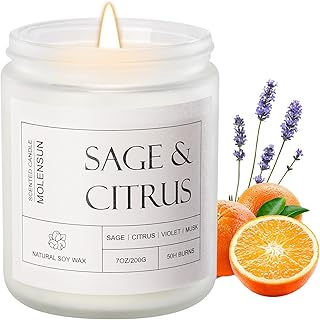
Container candles are the broadest category for modern retail. Customers understand them. They’re easier to store, easier to gift, and easier to use at home. If you’re building a first candle assortment from scratch, containers usually carry the most weight.
A useful way to buy by form is to divide your assortment into three shelf roles:
Anchor items: Large jars or pillars that define the collection visually.
Support items: Votives, tealights, or small tins that make the line more accessible.
Occasion items: Tapers or floating candles for tablescapes, ritual, or events.
The best-looking display isn’t always the best-selling one. Customers need at least a few candles they can understand and use without extra explanation.
Burn times vary by size, wax, wick, and environment, so promising a uniform experience across forms is a mistake. What matters more at the buying stage is matching shape to expectation. A customer buying tealights expects utility. A customer buying a large pillar expects presence. A customer buying a jar candle often expects both scent and convenience.
Function and Fragrance Scented Unscented and Aromatherapy
Many retailers sort candles by shape first. Customers often shop by purpose first. They want a candle for relaxation, fragrance layering, meditation, massage room ambiance, gifting, or simple visual calm. That’s why function deserves its own buying lens.

Scented candles sell emotion fast
Scented candles are usually the quickest emotional sale. A customer smells lavender, sandalwood, vanilla, or something seasonal and makes a decision within seconds. That speed is useful in gift retail and general home fragrance merchandising.
The challenge is that not every space wants a strong pre-built fragrance. Treatment rooms, yoga studios, meditation spaces, and some wellness boutiques often need more control. In those environments, a ready-scented candle can clash with massage oils, diffused blends, incense, or room sprays.
Unscented candles solve more problems than retailers expect
Unscented candles are often treated like a basic backup item. That’s a miss. They’re one of the most versatile products in a wellness-oriented assortment because they provide light and atmosphere without interfering with another sensory layer.
That matters because search interest is moving in that direction. Google Trends data from 2025 shows a 35% year-over-year increase in searches for “unscented candles for essential oils,” creating an opening for retailers to pair neutral candles with scent customization according to Prosperity Candle’s unscented candle collection page.
For a retailer or spa, unscented candles work well when customers want:
A clean base for essential oil rituals
A treatment-room candle that won’t compete with massage or body products
A private-label candle concept built around added fragrance options
Table or altar candles where scent would feel distracting
Retailers often underestimate unscented candles because they evaluate them as standalone fragrance products. Customers often buy them as functional tools.
Aromatherapy needs cleaner pairing logic
Aromatherapy customers don’t all want the same thing. Some want essential oils only. Others are open to fragrance oils for home scenting and candle-adjacent use. Staff need to understand the difference so they can guide the customer without confusion. A clear explainer on the difference between essential oils and fragrance oils is useful background if you sell both categories or plan to bundle candles with aromatic products.
In practice, aromatherapy merchandising works better when you build around pairings instead of isolated products. An unscented pillar beside a calming oil blend tells a clearer story than a random shelf of mixed candle styles.
For stores that serve wellness clients, a curated selection of essential oils for scent customization and ritual use can support that approach. The candle becomes the visual anchor. The oil becomes the personalization layer.
A few combinations work especially well in real retail settings:
Spa treatment room: Unscented container candle plus a chosen oil in the diffuser
Meditation shelf: Unscented pillar plus incense or resin accessories
Gift set: Neutral candle plus a small aromatic add-on chosen by mood
Private label concept: Consistent candle base with multiple scent pathways sold separately
That’s a better answer than trying to make one scented candle satisfy every use case.
Sourcing for Success Wholesale and Private Label Tips
Buying candles wholesale gets easier when you stop asking which candle is best and start asking which candle is most reliable for the job. Reliability is what protects your margin, your display, and your customer trust.
A sample can look beautiful and still fail at retail if the finish changes in storage, the scent doesn’t match the packaging promise, or the line arrives inconsistently from batch to batch.

What to check before placing a wholesale order
Start with the product, not the branding.
Burn consistency: Test how evenly the candle uses wax and whether the wick behaves predictably.
Cold and warm scent experience: A candle that smells good on the shelf but disappears when lit can frustrate customers.
Packaging durability: Lids, jars, labels, and boxes need to survive shelving, handling, and shipment.
Line coherence: The assortment should make sense together. Mixed-quality collections create hesitation at the shelf.
Then evaluate the supplier relationship.
Reorder confidence: Can they support repeat ordering without changing the product feel?
Communication quality: Fast answers matter when you’re planning seasonal sets or restocks.
Compatibility with add-ons: If you sell oils, burners, gift packaging, or ritual accessories, the candle line should complement those items naturally.
If a supplier can’t explain the intended use of a candle, they probably can’t help you build a dependable assortment.
Where private label works best
Private label doesn’t have to begin with a huge line. In fact, the strongest candle private-label programs usually start narrow. A single vessel style, a limited scent direction, and a consistent brand mood make merchandising easier.
Wellness businesses often have an advantage here. They already understand ritual, environment, and sensory experience. A spa can build a candle line around calm, recovery, or evening use. A gift boutique can build around home mood and gifting language. A yoga studio can lead with neutral candles and optional scent pairings.
One of the cleanest models is to start with unscented or lightly positioned candle bases and then add fragrance strategy around them. Wholesale access to fragrance oils suited for resale concepts and scent curation can support that model when you want flexibility across seasons or customer profiles.
A simple private-label framework looks like this:
Private label decision area | What works best |
|---|---|
Vessel choice | Pick one format customers understand quickly, usually a jar or tin |
Brand mood | Stay consistent, such as spa calm, botanical home, or ritual minimalism |
Scent strategy | Offer a focused range rather than a crowded wall of overlapping fragrances |
Add-on sales | Pair with holders, oils, burners, or bath products that support the same mood |
Private label fails when the candle, scent story, and customer environment don’t match. It works when the line feels native to your business. Customers should look at it and think, “Of course they sell this.”
Essential Care Candle Safety Storage and Longevity
A retailer who gives good candle care advice reduces returns and builds trust. Most customer complaints around candles don’t start with bad intentions. They start with incomplete instructions.
A customer burns a candle briefly, blows it out too soon, stores it in heat, or lets the wick mushroom. Then they blame the candle. Sometimes they’re right. Often, they weren’t told how to use it well.
The instructions customers actually need
The most useful guidance is short, clear, and easy to repeat at the register or include on a care card.
Trim the wick: A properly trimmed wick helps the candle burn more cleanly and reduces soot or oversized flame.
Let the first burn develop properly: Customers should give the candle enough time to establish an even melt across the top surface when possible. That helps reduce tunneling.
Use the right holder or surface: Pillars, tapers, and floating candles need appropriate support. Containers still need a stable, heat-safe placement.
Never leave it unattended: This sounds obvious, but it belongs on every care card and display conversation.
For stores that also sell related aromatic products, basic incense and open-flame safety guidance can reinforce a broader culture of responsible use.
Good candle care instructions don’t feel like warnings. They feel like expertise.
Storage habits that prevent complaints
Storage is where many candles lose appeal before the customer even lights them. Heat can soften or distort the wax. Direct sunlight can affect appearance. Fragrance can fade or shift if products sit too long in poor conditions.
Retailers should store candles in a cool, stable environment and rotate stock with common sense. Customers should be told to do the same at home, especially with decorative candles they may keep for a while before using.
A short in-store care checklist can help:
Keep candles out of direct sun
Avoid storing near strong heat sources
Protect dust-sensitive finishes and exposed wax tops
Check decorative shapes for scuffs before display
Refresh testers and display units before they start looking tired
That kind of attention changes how customers perceive the whole category. Clean displays and credible advice make even a simple candle feel better chosen.
Conclusion Curating Your Perfect Candle Collection
The best answer to different kinds of candles isn’t a giant list. It’s a buying decision. Wax shapes performance and brand feel. Form shapes use and display value. Function decides whether the candle belongs in a gift set, a treatment room, a dining table, or a private-label collection.
Good assortments feel intentional. They don’t overwhelm customers with options that all do the same thing. They give shoppers a clear reason to choose one candle over another.
If you buy with your actual customer in mind, candles become more than shelf filler. They become part of your business identity, your sensory environment, and your repeat-sales strategy.
If you’re building a candle-adjacent retail mix, creating aromatherapy bundles, or planning a private-label concept, Aroma Warehouse offers fragrance oils, essential oils, incense, packaging-friendly supplies, and wholesale-friendly product categories that can help you build a more cohesive scent-driven collection.
Frequently Asked Questions
Q1: Which type of candle is best for beginners starting a candle business? A simple container candle (jar or tin) is often the best starting point because it’s easy for customers to use, store, and understand. It also allows you to test scents and branding without complex inventory.
Q2: How do I choose candles that match my brand identity? Focus on consistency in style, scent direction, and materials. For example, wellness brands may lean toward minimalist soy or beeswax candles, while gift shops may prioritize bold scents and decorative packaging.
Q3: Are expensive candles always better quality? Not necessarily. Price can reflect branding, materials, or packaging, but performance depends on how well the wax, wick, and design work together—not just cost.
Q4: What candle types encourage repeat customers? Candles that burn evenly, maintain a consistent scent, and fit into daily routines tend to bring customers back. Reliability matters more than novelty for repeat purchases.
Q5: How many candle types should a small shop carry? Most successful shops keep a focused selection—typically 3–5 core styles—so customers aren’t overwhelmed and each product has a clear purpose.
Q6: What makes a candle suitable for gift bundles? Candles that are visually appealing, easy to use, and compatible with add-ons like oils, holders, or packaging work best for bundling.


