

Lavender vs Sandalwood for Relaxation and Sleep

Lavender is often the better choice for short‑term, high‑strung stress, anxiety spikes, and trouble winding down for sleep, while sandalwood really shines when your mind feels buzzy, scattered, or emotionally overloaded. In simple terms, lavender leans more like a gentle sedative that softens tension and quiets worry, while sandalwood works like an emotional anchor that pulls you out of your head and back into your body. Because of that, neither is “better” in every situation—each one excels with a different flavor of stress, and together they’re surprisingly powerful for deep calm and grounding.
Lavender vs. Sandalwood: Which Calms Stress the Best?
When you’re overwhelmed, what you actually feel matters more than any lab result: racing thoughts, tight chest, shallow breathing, restless energy, or total emotional overload. Lavender and sandalwood both help, but they speak to stress in slightly different “languages.”
Lavender tends to soften sharp edges—panic, jumpiness, trouble sleeping, mental looping.
Sandalwood tends to soften heaviness—overthinking, burnout, emotional overload, spiritual exhaustion.
Research and aromatherapy practice suggest a blended sandalwood–lavender aroma can reduce stress by activating the parasympathetic nervous system (your rest‑and‑digest mode) and dialing down the sympathetic “fight‑or‑flight” response. So instead of thinking “either/or,” it’s often smarter to think “when do I use which, and when do I mix them?”
Meet Lavender: The Soothing “Nervous System Hug”
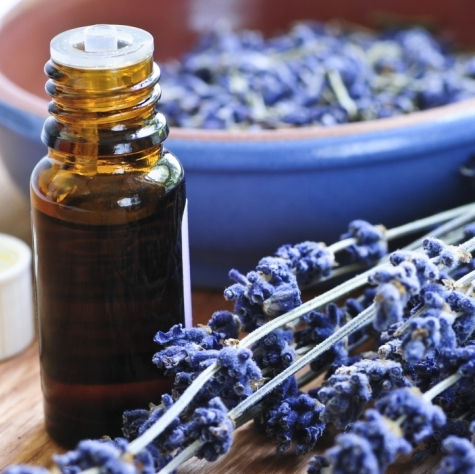
If your stress looks like anxiety—racing heart, busy mind, mild panic, trouble falling asleep—
lavender is like a soft blanket for your nervous system. Its floral scent contains compounds such as linalool and linalyl acetate that are associated with calming, sedative, and mood‑balancing effects.
Lavender tends to be best for:
Acute stress moments: big presentation, social anxiety, or a sudden wave of nervousness.
Bedtime worry: mind spinning when you’re trying to sleep.
Gentle relaxation: people sensitive to strong, heavy scents often tolerate lavender well.
In practical terms, lavender is the one you grab when you say, “I need to chill out in the next 10–15 minutes and stop overthinking everything.”
Meet Sandalwood: The Deep, Grounding Calm

Sandalwood is warm, woody, and deeply grounding—more like a walk in a quiet forest than a field of flowers. It’s widely used for meditation, spiritual practices, and emotional centering because it helps calm overactivity in the mind and promotes a steady, grounded feeling.
Sandalwood shines when:
Your stress feels like mental “static,” scattered thoughts, or burnout.
You want to go deeper into meditation, prayer, or breathwork.
You crave a more serious, earthy, “sacred space” vibe rather than a spa‑like floral.
Think of sandalwood as the scent you reach for when you’re tired of being in your head all day and want to feel more rooted and present.
Essential Oils vs. Incense: Which Works Faster?
Now for the big lifestyle question: should you use lavender and sandalwood as essential oils or as incense for stress relief? Both are great—but they work a bit differently in terms of speed, intensity, and ritual vibe.
Essential oils: Fast, controlled, and versatile
Essential oils (in diffusers, roller bottles, or a drop on a tissue) get the aroma directly to your
nose in a concentrated way. That means:
Speed: Inhalation gives relatively quick perceived calming effects—sometimes within a few minutes—because scent signals travel rapidly to the emotional centers of your brain.
Control: You can tweak the number of drops, duration, and whether the scent fills the room or stays close to your body.
Flexibility: Use at work, in the car (carefully), or in bed without smoke.
For pure speed and convenience, essential oils usually win. If you want “I’m panicking, help me calm down now,” a few drops of lavender or a lavender–sandalwood blend in a diffuser or inhaled from your hands is hard to beat.
Incense: Deep, ritualistic, and atmospheric
Incense is less about concentrated dose and more about experience. Lighting a lavender or sandalwood incense stick builds a ritual around your stress relief: you strike the match, watch the smoke curl, and instantly feel like you’ve stepped into a calmer zone.
Incense is great when:
You’re pairing scent with meditation, journaling, or yoga.
You want to transform the whole room into a calming sanctuary.
You enjoy the visual and sensory element of smoke and ember.
Incense may feel slightly slower than direct essential oil inhalation, but it often creates a deeper psychological shift because your brain begins to associate “smoke + scent = my relaxation time.” Over time, just smelling that lavender or sandalwood incense can become a powerful mental cue to relax.
Lavender Oil vs. Lavender Incense for Stress
Lavender essential oil and lavender incense share the same core aroma profile, but the way you experience them changes how they calm you.
Lavender essential oil is best when you want:
Targeted, fast relief (like a natural “chill pill,” without the pill).
A flame‑free option for the office, car, or around kids and pets (used responsibly).
Precise control over intensity—you can keep it very light or quite strong.
Lavender incense is best when you want:
A clear ritual: “I light this, I sit down, I breathe.”
A more immersive experience that signals the whole environment is for rest.
A cozy evening vibe—lights low, soft music, one lavender stick slowly burning.
If you’re a restless sleeper, lavender essential oil in a diffuser 15–20 minutes before bed can feel like the quickest, most practical help. If you’re doing a longer wind‑down session (reading, stretching, journaling), lavender incense creates a lovely “cocoon” of calm.
Sandalwood Oil vs. Sandalwood Incense for Stress
Sandalwood really comes into its own in slow, intentional practices. Its warm woodiness is beautiful in both oil and incense form, but again the delivery matters.
Sandalwood essential oil works best when:
You want grounding without smoke—great for long workdays, therapy prep, or meditation in small spaces.
You’re combining it with other oils, like lavender, in a diffuser or massage oil for deeper relaxation.pmc.ncbi.nlm.nih+1
You prefer a subtle, close‑to‑you scent instead of a smoky room‑filling one.
Sandalwood incense is ideal when:
You’re doing meditation, breathwork, or prayer and want a “sacred space” atmosphere.
You love traditional spiritual vibes—temple, ashram, or quiet sanctuary energy.
You’re winding down from information overload and want a clear transition ritual.
For people who overthink or feel emotionally scattered, sandalwood incense can be incredibly grounding, especially when paired with slow breathing or a simple mantra.
So… Which Calms Stress Faster?
If we’re talking speed of perceived relief:
Fastest for most people: lavender essential oil, especially when inhaled directly or diffused in a small space. Many people feel noticeably calmer within minutes.
Deeper, more “settled” calm: sandalwood, especially as a longer session with incense or in a blend with lavender. It may not feel as instantly sedating, but it can make your mind feel less scattered and more anchored.
For many, the real winner isn’t one or the other—it’s:
Lavender essential oil (or lavender incense) for quick nervous system softening.
Sandalwood essential oil or incense for grounding, emotional balance, and deeper relaxation.
A lavender + sandalwood blend in oil or incense when you want both effects at once, which studies suggest can be especially effective for stress and nervous‑system regulation.
How to Choose Based on Your Stress Type
Ask yourself: What does my stress feel like?
“I feel panicky, wired, and can’t sleep.”
Start with lavender essential oil in a diffuser or a lavender pillow spray.
“My brain won’t shut up, but I’m more drained than anxious.”
Reach for sandalwood incense or a sandalwood‑heavy oil blend.
“I want a full ritual: lights low, quiet time, and deep breathing.”
Burn either lavender or sandalwood incense or alternate them on different nights.
“I want the strongest combo for heavy stress days.”
Use a lavender–sandalwood essential oil blend in your diffuser for 15–20 minutes while you sit or lie down.
Listen to your nose, too—if one scent instantly feels “too much,” lower the intensity or switch to the other. Your nervous system is often right.
FAQ: Lavender vs. Sandalwood for Stress
1. Is lavender or sandalwood better for anxiety?
Lavender is typically more associated with anxiety relief because of its sedative and calming properties, and many people notice quicker relief from nervous tension or mild panic when using lavender essential oil. Sandalwood is excellent when anxiety comes with overthinking, spiritual exhaustion, or trouble staying grounded—it’s less “sleepy” and more “steady.”
2. Can I use lavender and sandalwood together?
Yes, and it’s often the best of both worlds. Blends of sandalwood and lavender have been used in studies and aromatherapy practice to support stress reduction and autonomic nervous system balance. Together they can deliver both mental calm (lavender) and deep grounding (sandalwood).
3. Are essential oils or incense safer for everyday stress relief?
Both can be used safely with common‑sense precautions. Essential oils avoid smoke but must be used properly diluted and never ingested without professional guidance. Incense involves smoke, so good ventilation is key, especially if you have respiratory sensitivities. Many people reserve incense for intentional sessions and rely on diffused lavender or sandalwood essential oils for daily, low‑effort stress support.
4. Which is better before bed: lavender or sandalwood?
Lavender wins for most people who struggle to fall asleep because of worry or tension; it’s widely used as a pre‑sleep aromatherapy aid. Sandalwood can be excellent if you can fall asleep but wake often with a busy mind, or if you’re doing pre‑bed meditation and want a deeper sense of grounding.

