Hibi Incense Matches Review & Guide: Best 10-Minute Aroma Ritual for Relaxation

You're probably here because you want one of two things. You want a calming scent ritual that doesn't ask for a long setup, or you run a shop, studio, or spa and need to understand whether Hibi is a novelty item or a product people will use.
That's where Hibi incense matches stand out. They sit in the middle ground between a standard match and a traditional incense stick. For home users, they offer a brief fragrance moment that fits into a coffee break, a bedtime reset, or the few quiet minutes before guests arrive.
For retailers, they're easy to explain, easy to display, and naturally giftable.
If you already enjoy incense but want something more compact, or if your customers like
wellness products that feel thoughtful without being complicated, Hibi is worth understanding. It helps to think of it less like “small incense” and more like a mini ritual in match form. For ideas on how incense can shape mood in everyday settings, this guide on how incense enhances everyday living spaces is a useful companion.
Table of Contents
Introducing the 10-Minute Aroma Ritual - Why short rituals work - Where Hibi fits naturally
What Are Hibi Incense Matches - A product built from two traditions - What it looks like in practice - Why people get curious about it
How to Use Hibi Matches for a Perfect Aroma Moment - The basic method - Where first-time users get tripped up - Safety and handling - Best-use settings
Exploring Scent Profiles and Burn Characteristics - How to think about the scent families - Matching scent to use case
Hibi Matches vs Traditional Incense Sticks - The core tradeoff - Hibi Matches vs Traditional Incense Sticks at a Glance - Choosing by real-life use
A Guide for Retailers Spas and Resellers - Why it works on the sales floor - Smart display and bundling ideas - How staff should describe it
Frequently Asked Questions about Hibi Matches - Can I use more than one at once - How should I store them - Are they good for travel - Who usually likes them most
Introducing the 10-Minute Aroma Ritual
A lot of people want the feeling incense creates, but they don't always want the full
ceremony. Lighting a long-burning stick can feel like too much when you're heading into a meeting, finishing a client treatment room reset, or trying to unwind before bed.
That's why Hibi feels fresh. It offers an aroma ritual built around a short window of time, not an hour-long commitment. The official use guidance describes it as a 10-minute aroma experience, designed to be enjoyed briefly and intentionally, not left burning as background fragrance all evening.
Why short rituals work
A short scent ritual is easier to repeat. When something takes only a few minutes, people use it. That matters for personal wellness, and it matters in retail too, because products that fit real routines are easier for customers to understand.
Think of Hibi like a tea sachet for atmosphere. You don't need a shelf of tools or a special room. You need a moment, a stable surface, and the willingness to pause.
Practical rule: The easier a ritual is to start, the more often people return to it.
Where Hibi fits naturally
Hibi works well in situations like these:
Morning reset: A quick scent before journaling or stretching.
Desk break: A brief pause between tasks when a full incense stick would be impractical.
Guest prep: A subtle scent lift before someone arrives.
Treatment room transition: A controlled aroma moment between spa or wellness appointments.
That “brief but complete” feeling is the core appeal. It's not trying to replace every incense format. It's solving a different problem.
What Are Hibi Incense Matches
Hibi is one of those products people understand fastest when they hear the backstory. It wasn't created as a gimmick. It came from combining two established Japanese crafts into one object you can strike, burn, and enjoy without extra fuss.
According to the brand's official backstory, Hibi was developed through a collaboration between Kobe Match Company and Awaji Island incense makers after 3 years of trial and error. That matters because the product is rooted in materials knowledge from both sides: match-making and incense-making.

A product built from two traditions
The same backstory explains that Hibi reflects match production introduced from Europe during the Meiji era (1868–1912) and the Harima region's match industry, with Kobe Match Company dating back to 1929. It also notes that Kobe Match Company still holds about 75% of Japan's total match production. Those details help explain why the product feels refined rather than improvised.
This is a useful lens for retailers. Customers often ask whether Hibi is “just incense shaped like a match.” It isn't. It's a format developed from actual match expertise, then adapted to carry fragrance in a controlled way.
What it looks like in practice
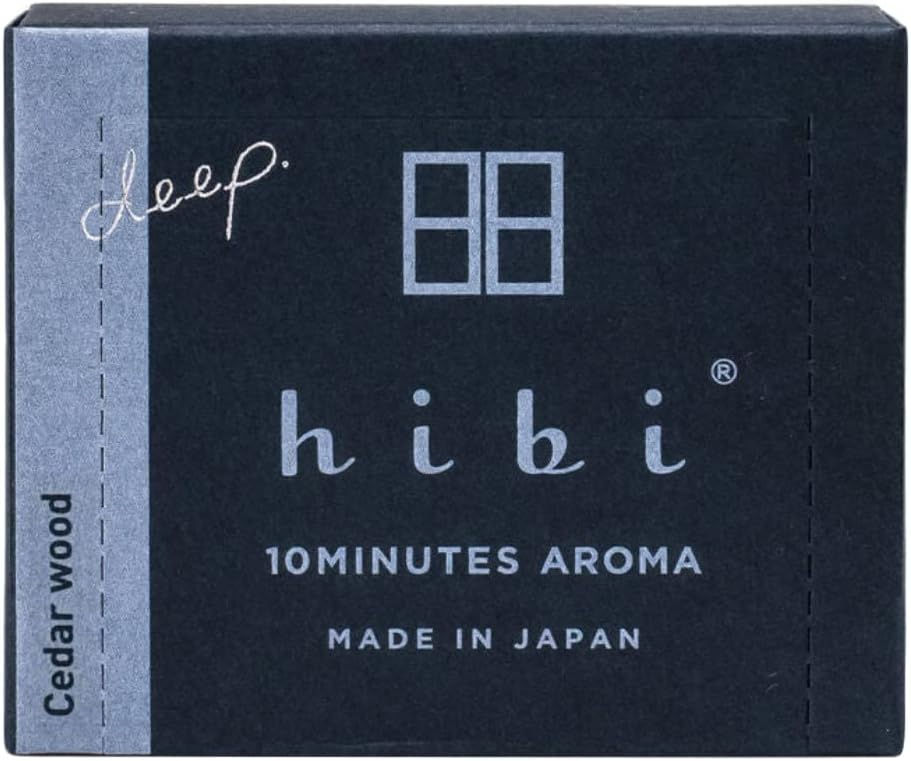
A Hibi stick resembles a thick, short match. You strike it from the box, let it catch, then use the ember as the incense burn point. That all-in-one design is the main innovation.
If you sell multiple incense styles, it helps to place Hibi in the broader category of modern aromatic formats. This overview of the main types of incense gives helpful context for how match-style incense differs from sticks, coils, and resin.
Hibi feels modern because it removes friction. There's no separate lighter, and the ritual starts with the product itself.
Why people get curious about it
Most first-time buyers react to one of three things:
The format: It looks familiar because it starts like a match.
The packaging: It reads as a small, considered gift.
The story: Japanese craftsmanship gives the product meaning beyond convenience.
That mix is rare. Many aroma products are practical. Others are beautiful. Hibi manages to be both.
How to Use Hibi Matches for a Perfect Aroma Moment
A customer opens a small Hibi box at a spa checkout counter, strikes one stick, and then pauses. The usual question comes right there. Do I blow it out, or let it burn like a match? That little moment of hesitation is normal, because Hibi uses a familiar action for a different result.
The easiest way to understand it is to treat the flame as the starter, not the main event. The fragrance comes from the glowing tip after the flame has gone out, much like a charcoal ember keeps giving off heat after the first spark is gone.

The basic method
A first use usually goes well when people slow down and follow the product's own rhythm:
Strike the stick gently. Use the striker on the box, as you would with a standard match.
Let the flame catch for a moment. A brief flame helps the incense material light properly.
Wait for the flame to go out. The glowing tip is what releases the scent.
Set the stick on the included mat. That mat is designed for this product and helps the incense burn correctly.
Let the aroma unfold. Hibi is made for a short scent pause rather than a long room-fragrance session.
A short demonstration also helps first-time users see the pace and hand motion.
Where first-time users get tripped up
Confusion usually comes from treating Hibi like either a household match or a full-length incense stick. It starts like the first one, but it behaves more like the second. Once that clicks, the product makes sense.
The resting surface matters too. For general incense displays, this guide to cool incense holders gives useful ideas, but Hibi works best with its own included mat because the burn is short and close to the surface.
Use Hibi as a brief ritual. It works well for resets between tasks, treatments, or guests.
That framing helps in retail settings. Staff at gift shops, yoga studios, and spas can explain Hibi in one sentence: strike it, let the flame disappear, then enjoy the ember. A quick, practiced demo often sells the product better than a long description.
Safety and handling
Use one stick at a time. The mat and burn format are designed for small, controlled use, so trying to intensify the scent by burning several at once creates heat without improving the experience much.
A few habits make the experience safer and more consistent:
Place it on a stable surface. A tray, counter, or tabletop works well.
Keep the box dry. Match-based incense is harder to light if it has absorbed moisture.
Give it a little space. Avoid placing it near paper goods, linens, or crowded retail displays.
Let the mat cool before packing it away. This matters in treatment rooms and mobile wellness setups.
For businesses, this is also a merchandising point. Hibi suits checkout counters, welcome desks, and small curated gift areas because the use method is easy to demonstrate in seconds. Pairing it with compact calming products such as a Grounding saffron clove candle can help customers build a travel-friendly wind-down set.
Best-use settings
Hibi performs best in close, personal spaces where a short scent window feels intentional.
Bedside tables
Reading corners
Reception desks between appointments
Spa treatment rooms during turnover
Guest bathrooms
Meditation nooks
In those spots, Hibi feels considered and easy to use. That is part of its appeal for both individual buyers and retailers who need a giftable aroma product with a clear, teachable use case.
Exploring Scent Profiles and Burn Characteristics
Hibi's scent experience is less about filling a whole house and more about creating a close-range atmosphere. That distinction matters. If someone expects the density of a long-burning temple-style incense, they may misread the product. If they want a refined, short, personal aroma moment, Hibi usually makes immediate sense.
The burn character feels lighter and more contained than many traditional incense formats. The fragrance rises during the ember phase, then softens into a subtle trace after the stick finishes. That makes it useful in spaces where heavy smoke or lingering intensity would feel out of place.
How to think about the scent families
Rather than chasing “best” scents, it helps to sort them by mood.
Lavender: Familiar, soft, and rest-oriented. Good for bedtime displays and calm-down rituals.
Lemongrass: Bright and clean-smelling. Useful for daytime energy or workspace refresh.
Ylang Ylang: Fuller and more floral. Better for customers who like a richer, moodier aroma.
Japanese Cypress: Woody and grounded. A strong fit for meditation corners and spa retail.
If you already help customers compare incense notes, this article on the scent profile of popular incense sticks can support those conversations.
Matching scent to use case
A simple retail or personal-use framework works well:
Mood or setting | Suitable direction |
|---|---|
Quiet evening | Lavender or woody notes |
Midday refresh | Citrus or lemongrass styles |
Meditation corner | Cypress and other grounded aromas |
Small gift set | A balance of floral, woody, and bright options |
Some scents are chosen for comfort. Others are chosen for clarity. Hibi works best when buyers know which feeling they want first.
For customers who enjoy layered home fragrance and want to compare incense with other grounding formats, a product like this Grounding saffron clove candle can be a helpful reference point for discussing warm, meditative scent directions.
Hibi Matches vs Traditional Incense Sticks
Hibi makes the most sense when you compare it directly with standard incense sticks. Neither format is “better” in every setting. They address different needs.
Traditional sticks are usually chosen for longer sessions, larger rooms, or a more continuous aromatic backdrop. Hibi is chosen when convenience and timing matter more than duration. That difference helps both buyers and retailers avoid disappointment.

The core tradeoff
With Hibi, the main gain is simplicity. You strike the product itself, rest it on its mat, and enjoy a brief aroma session. With traditional incense sticks, the gain is extended presence. You usually need a separate flame source and holder, but you get a longer burn and a broader room effect.
That means the question isn't “Which should I buy?” It's “What kind of scent experience do I want most often?”
Hibi Matches vs Traditional Incense Sticks at a Glance
Feature | Hibi Incense Matches | Traditional Incense Sticks |
|---|---|---|
Format | Match-style incense you strike directly | Separate incense stick |
Burn style | Short, controlled aroma ritual | Longer fragrance session |
Setup | Includes its own lighting function and uses a small mat | Usually needs a lighter or match and a holder |
Portability | Very easy to carry | Portable, but less self-contained |
Best for | Desk breaks, travel, guest prep, quick resets | Meditation, extended relaxation, room scenting |
Smoke presence | Often feels lighter and more contained | Can feel more prominent depending on style |
Choosing by real-life use
A few simple examples make the difference clearer:
Use Hibi if you want fragrance before a yoga class starts, while prepping a treatment room, or during a short evening wind-down.
Choose traditional sticks if you want a longer meditation practice, a slow scent trail through a larger room, or a ritual that unfolds over more time.
Stock both if your customers range from practical beginners to long-time incense users.
The best assortment doesn't force one ritual style on every customer. It gives people a short-format option and a long-format option.
A Guide for Retailers Spas and Resellers
A customer picks up a Hibi box, turns it over, and pauses. In a shop setting, that pause matters. It is the moment a staff member can turn curiosity into understanding with one plain sentence: it is incense you light like a match.
That mix of novelty and simplicity gives Hibi a useful place in gift shops, yoga studios, spas, wellness boutiques, and curated lifestyle stores. It feels special without being hard to explain. For service-based businesses, that matters just as much as the scent itself. A spa needs products that fit the treatment-room mood. A yoga studio needs items that support short rituals before or after class. A gift shop needs something compact, attractive, and easy to pick up as an add-on purchase.

Why it works on the sales floor
Hibi answers several buying questions quickly, which is a big advantage in retail.
A customer can usually understand the format in seconds. The box is giftable. The ritual is short. The product story is memorable because it combines two familiar things, a match and incense, into one object.
That makes it useful for businesses that sell by demonstration and conversation, not only by shelf presence. Staff do not need a long training script. They need a clear explanation, a sample box to show, and a good sense of who will enjoy it most.
If you are building out an incense category for resale, this guide on starting an incense business and buying wholesale offers practical context.
Smart display and bundling ideas
Hibi often performs better as part of a small ritual story than as a standalone item. A customer may not walk in looking for incense matches, but they often respond when the product is placed beside related habits and settings.
Near checkout: Keep a few scents where customers can add a box as a quick gift or self-care extra.
Spa retail area: Group Hibi with bath products, pulse point oils, or calming room mists.
Yoga or meditation shelf: Place it near cushions, journals, and relaxation accessories to frame it as a short pre-practice or post-practice ritual.
Seasonal gift displays: Use it in ready-made gift bundles for holidays, thank-you gifts, or client welcome sets.
For shop owners building a wider ritual and gifting assortment, it can also help to explore top UK tea wholesalers. Tea and incense often appeal to the same customer because both support short, repeatable moments of pause.
How staff should describe it
The best staff language is simple and concrete. Too much detail can make a small product sound complicated.
A strong starting script is:
“These are Japanese incense matches. You strike one, let it catch, blow out the flame, place it on the mat, and enjoy a short scent ritual.”
That explanation works because it answers the customer's next question before they ask it. It covers what it is, how it lights, and what kind of experience to expect.
For buyers who want to restock online or compare incense and aromatherapy accessories across related categories, Aroma Warehouse is one factual option to review.
Frequently Asked Questions about Hibi Matches
Customers often ask the same practical questions before they buy. That is useful for home users, and it also helps shop staff give clear answers on the sales floor.
Can I use more than one at once
Use them with restraint. A Hibi match is designed as a small, contained scent moment, more like lighting one tea light than filling a room with several candles at once. For everyday use, one at a time is the safest and simplest approach. If a customer wants a stronger aroma, guide them toward a better-sized room, a closer seating area, or a different scent profile rather than burning several together.
How should I store them
Keep them dry and in their box. Moisture affects them the way humidity affects ordinary matches. They become harder to strike and less predictable to light. For retailers, this matters in back-stock as much as on display. Avoid placing open boxes near treatment room sinks, steamy spa areas, or sunny windows.
Are they good for travel
Yes, in the practical sense. They are small, light, and easy to tuck into an overnight bag or gift set. Transport rules are a separate question. Because Hibi is a match-style product, airlines and carriers may treat it differently from standard incense. Customers should check current rules before flying or mailing them.
Who usually likes them most
They suit people who want a short ritual without extra setup. That includes customers who find traditional incense sticks a little fussy, gift buyers who want something distinctive, and wellness-minded shoppers who enjoy brief moments of scent between tasks.They also make sense in business settings where time and space are limited. Spas can offer them as a simple take-home ritual. Yoga studios can position them as part of a wind-down routine. Gift shops can present them as an easy add-on because the product is small, attractive, and easy to explain.
What are Hibi incense matches?
Hibi incense matches are Japanese match-style incense sticks designed to provide a short aroma ritual lasting around 10 minutes. They combine traditional match-making and incense craftsmanship, allowing users to strike, light, and enjoy fragrance without needing a separate lighter or incense holder.
How do you use Hibi incense matches?
To use Hibi incense matches, gently strike one stick using the included striker, allow the flame to catch briefly, let the flame go out, then place the glowing stick on the included mat. The aroma is released from the ember rather than the flame.
How long do Hibi incense matches burn?
Hibi incense matches are designed for a short scent ritual and generally provide about 10 minutes of fragrance. They work best as a brief aroma pause rather than long-duration room scenting.
Are Hibi incense matches good for travel?
Yes. Hibi incense matches are compact, lightweight, and easy to pack for short trips, overnight stays, meditation sessions, or wellness routines. However, travelers should check airline or shipping regulations because they function like match-based products.
What scents are available in Hibi incense matches?
Hibi incense matches come in several scent styles including lavender, lemongrass, ylang ylang, and Japanese cypress. Different scents suit different moods, such as relaxation, focus, meditation, or daytime refresh.
Aroma Warehouse offers incense, oils, and aromatherapy accessories for both individual buyers and wholesale accounts.