

What Is Aromar Fragrance Oil? Complete Guide to Scents, Uses & Safety (2026)

You're probably looking at a bottle labeled Aromar fragrance oil and asking one of two questions. Either you want your home to smell better without wasting money on the wrong product, or you're a small business owner trying to decide whether this category belongs on your shelves, in your treatment rooms, or in your handmade products.
That's a smart pause to make. “Fragrance oil” sounds simple, but it isn't one-size-fits-all. Some oils are made for room scenting. Some are intended for candles or wax melts. Some people assume anything fragrant in an oil bottle can go on skin, and that's where expensive mistakes and safety problems start.
Table of Contents
What Is an Aromar Fragrance Oil - What people usually mean when they buy one - Why these oils are so widely used
Decoding Scent Profiles and Fragrance Families - How a scent develops - The main fragrance families - Matching family to use
Fragrance Oil vs Essential Oil A Critical Comparison - Where the confusion starts - Fragrance Oil vs Essential Oil at a Glance - When each one makes sense
How to Use Fragrance Oils in Your Home and Crafts - Home uses that actually work - Craft applications for makers and sellers - Blending for stronger scent performance
Safe Dilution Handling and Proper Storage - What dilution really means - Safer handling habits - Storage habits that protect the oil - Signs an oil may be past its best
A Guide for Retailers and Resellers - What smart resellers get right
Common Questions About Aromar Fragrance Oils - Can you use Aromar fragrance oil on skin - Are these oils good for diffusers - Can you mix different fragrance oils together - Why does the same scent sometimes look a little different - Are fragrance oils the same as perfume oils - Are they safe around pets - What's the best first scent to try
What Is an Aromar Fragrance Oil
An Aromar fragrance oil is a concentrated scented oil designed primarily for home
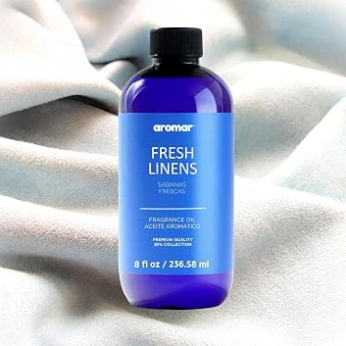
fragrancing and aromatic applications. In practical terms, that usually means use in diffusers, oil warmers, burners, potpourri refresh, room scent routines, and some craft projects where scent performance matters more than botanical purity claims.
Unlike a raw botanical extract, a fragrance oil is typically a crafted aromatic composition. That matters because consistency is part of the product's job. If someone buys lavender, Egyptian musk, sandalwood, white sage, or a bakery-style scent, they expect it to smell recognizable from bottle to bottle. That kind of repeatability is one reason fragrance oils stay popular with both casual users and resellers.
For shoppers comparing options, a product page like Aroma Warehouse fragrance oils gives a good sense of how broad the category can be. You'll usually see classic florals, woods, fresh blends, spiritual shop staples, and sweeter novelty scents all grouped together under one umbrella.
What people usually mean when they buy one
Most buyers want one of three things:
A stronger room scent: They want a diffuser or warmer to fill a space without burning incense or spraying aerosol products.
A dependable craft fragrance: They need a scent that behaves more predictably in candles, melts, or other home fragrance items.
A signature atmosphere: They're trying to create a mood. Clean spa, warm resinous, soft floral, meditative, or cozy gourmand.
A good example of the mood-first approach is a blend such as white sage and lavender. If you want to see how that kind of profile is presented for relaxation-focused use, you can discover this wellness aroma on Loyaltie.
Practical rule: Buy fragrance oil for the job it was made to do, not for the name on the bottle alone.
Why these oils are so widely used

Fragrance oils solve a practical problem. They offer potent scent, broad variety, and easier scent matching across products and batches. That's useful for home users who want a room to smell a certain way, and it's useful for small businesses that need repeatable customer favorites.
They also sit inside a large and growing category. The global fragrance oil market was valued at USD 8.50 billion in 2024 and is projected to reach USD 11.90 billion by 2032, with a 4.30% CAGR, according to Data Bridge Market Research on the global fragrance oil market.
What matters on the ground is simpler than the market data. Fragrance oils are popular because they're effective. The important question isn't whether they work. It's whether you're using the right type for the right application.
Decoding Scent Profiles and Fragrance Families
A bottle can smell straightforward in the cap and completely different once it opens in a room or warms in wax. That's normal. Fragrance is structured in layers, and understanding those layers helps you choose better oils for your home, product line, or customer base.

How a scent develops
The easiest way to understand fragrance is to imagine it as a song.
The opening bars catch your attention first. In fragrance, those are the top notes. They're the bright, quick impressions that hit first when you open the bottle or start warming the oil. Citrus, green, airy, and crisp notes often sit here.
The chorus is the part you remember. Those are the middle notes, often called the heart. This layer gives the scent its identity. Florals, herbs, spices, and soft fruits often show up here.
The lingering melody is the base. These notes stay behind after the brighter parts fade. Woods, resins, musk-like accords, vanilla-style sweetness, and earthy elements often anchor the blend.
If you enjoy incense-style aromas and want more language around how scent character shifts across familiar profiles, this breakdown of popular incense scent profiles and aroma families is a useful companion.
A fragrance that smells “weak” at first sniff may simply be base-heavy. Give it warmth and time before judging it.
The main fragrance families
Most fragrance oils fall into familiar scent families. Once you know yours, shopping gets easier.
Floral Soft, powdery, fresh, romantic, or lush. Lavender, rose, jasmine, gardenia, and lilac sit here. These often work well in bedrooms, spa spaces, and bath-centered products.
Citrus Bright and brisk. Lemon, orange, bergamot-style, and zesty blends tend to feel clean and energizing. They're often chosen for kitchens, entryways, and daytime retail environments.
Woody Sandalwood, cedar-like notes, patchouli-style earthiness, and resinous accords create a grounded feel. These oils suit meditation spaces, gift shops, and masculine-leaning collections.
Oriental Warm, spicy, rich, and often slightly sweet. Amber-style, incense-inspired, musk-forward, and spice-laced profiles usually sit here. They perform well when you want atmosphere and depth.
Fresh Clean linen directions, watery notes, green accents, and airy accords fit this family. They appeal to buyers who say they want a space to smell “clean” rather than perfumed.
Gourmand Vanilla, bakery, caramel-like, cocoa-inspired, and dessert-style fragrances fall into this group. These can be strong sellers for candles and seasonal home scent lines.
Matching family to use
Some families behave better in certain settings.
A woody or oriental profile often holds up well in burners and larger rooms because it has more base weight. A citrus or fresh oil can smell fantastic in the first few minutes but may feel lighter unless the composition has enough body underneath. Floral blends can go either way, depending on whether they lean green and airy or creamy and dense.
For retailers, this matters because buyers don't all describe scent the same way. One customer says “clean,” another says “spa,” another says “not too sweet.” Those often point to families, not specific oils.
Fragrance Oil vs Essential Oil A Critical Comparison
Most confusion starts when people see “oil” in both names and assume they're interchangeable. They aren't.
A fragrance oil is generally built to deliver a specific aroma profile with consistency. An essential oil is typically derived from plant material through extraction or distillation. One is crafted for scent design. The other is botanically sourced. That difference affects smell, cost, stability, and primarily, intended use.
Where the confusion starts
Many buyers think “natural” automatically means safer and “fragrance” automatically means synthetic and unsafe. Real-world use is more complicated than that. The right question isn't which sounds cleaner. The right question is what was this specific oil designed for.
The most important safety distinction is often ignored in casual blog posts and marketplace listings. The myth that all “fragrance oils” are safe for cosmetic use is widespread. Professional perfumers typically avoid generic fragrance oils for skin application because they are not structured as skin-safe bases, and many brands state clearly that their oils are not suitable for cosmetic use, as discussed in this professional perfumery safety discussion on YouTube.
That single point saves a lot of trouble. A home fragrance oil for a warmer is not automatically a perfume oil for skin.
Fragrance Oil vs Essential Oil at a Glance
Feature | Aromar Fragrance Oil | Essential Oil |
|---|---|---|
Primary purpose | Home scenting, ambiance, crafts, aromatic blends | Botanical aroma, diffuser use, some wellness routines depending on the oil |
Source | Crafted aromatic composition, often combining different aroma materials | Extracted or distilled from plant material |
Scent consistency | Usually more consistent batch to batch | Can vary with harvest, origin, and plant conditions |
Range of scent types | Very broad, including florals, bakery scents, incense styles, musk accords, and fantasy blends | Limited to what can be derived from natural plant sources |
Typical use in home products | Common in burners, warmers, wax melts, candles, and room-focused products | Common in diffusers and some natural-leaning formulations |
Skin use assumption | Should never be assumed safe unless specifically made and documented for cosmetic use | Also should not be assumed safe undiluted, but buyers often confuse them with perfume oils |
When each one makes sense
If you want your living room to smell like sandalwood, clean cotton, Egyptian musk, or vanilla cake, fragrance oil usually gives you more options and a more recognizable result.
If you want a clearly botanical aroma such as eucalyptus or tea tree in a diffuser, an essential oil may be the better fit. But even then, “better” depends on your goal. Some people want plant-origin identity. Others want a finished scent experience.
For readers who are trying to understand scent concentration on the perfume side, especially if they've mixed up room fragrance with wearable fragrance, this explainer on choosing EDP or EDT concentrations helps separate perfume terminology from home fragrance terminology.
A more detailed side-by-side view of applications and composition is also available in this guide to fragrance oils and essential oils differences.
Don't decide by label style. Decide by formulation purpose, documentation, and the intended method of use.
How to Use Fragrance Oils in Your Home and Crafts
Individuals get the best results from fragrance oils when they stop trying to make one bottle do every job. A room diffuser, an oil warmer, a candle jar, and a bath product all handle scent differently.

Home uses that actually work
For electric diffusers, use only if the diffuser manufacturer allows fragrance oils. Some units are built around essential oils only, and some users damage their machines by assuming all oils behave the same. If fragrance oil is suitable for the device, start lightly and increase only as needed. Overloading the reservoir doesn't create a better scent. It often creates a heavy, flat one.
In a traditional oil burner or warmer, fragrance oils often perform very well because gentle heat helps the composition open up. Woody, resinous, floral, and gourmand profiles usually become rounder and fuller with warmth. Keep the dish clean between scents or your “fresh linen” will end up carrying leftover sandalwood.
Light bulb rings and similar passive warmers can work for small spaces like powder rooms or entryways. They're less dramatic than an electric diffuser, but they're useful when you want a subtle background scent rather than a noticeable plume.
For bedrooms: softer florals, clean fresh blends, and gentle herbal profiles usually feel less intrusive.
For kitchens and entryways: citrus and crisp fresh profiles cut through stale air well.
For meditation rooms or boutiques: woods, incense-inspired aromas, and muskier blends create more atmosphere.
Craft applications for makers and sellers
Fragrance oils are also common in handmade goods, but each base has its own quirks.
Candles and wax melts rely on both cold throw and warm throw. A fragrance that smells strong in the bottle may not always bloom the way you expect in wax. Testing matters. Wick, wax type, cure time, and room size all affect performance.
Bath salts can carry fragrance nicely, but the scent load has to match the intended product and packaging. If you're selling them, clear labeling matters just as much as the aroma does.
Soap and similar projects need extra care because not every fragrance behaves predictably in every base. Some scents stay true. Others shift, fade, or discolor the finished product. Small test batches save time and materials.
A hands-on demonstration helps if you're still dialing in process and timing:
Blending for stronger scent performance
Blending can improve a product when it's done with restraint. It can also muddy a perfectly good oil.
A simple way to approach blending is to pair one dominant family with one supporting note. For example, a floral can gain depth from a soft wood. A citrus may need a grounded base note to keep it from vanishing too fast in a warmer. A gourmand often benefits from something dry or resinous so it doesn't become cloying.
If your main interest is candle work, this guide on how to blend fragrance oils for candles is worth reading before you start combining multiple oils in production batches.
Blend on paper first, then in tiny test amounts. The bottle aroma can mislead you about how heat will change the result.
Safe Dilution Handling and Proper Storage
Most problems with fragrance oils don't come from the scent itself. They come from people trying to stretch, thin, remix, or store oils without a clear method.
What dilution really means
“Dilution” gets used loosely. In practice, it can mean three different things: making an oil easier to disperse, adjusting scent strength for a product base, or trying to change how aggressively it throws in a room. Those are not the same goal, and they shouldn't be treated as the same process.
Many consumers and resellers are unsure how to dilute fragrance oils without ruining them. Some FAQ-style advice suggests air flow is enough while skipping details about safe solvents like DPG, which leaves users exposed to product degradation and safety issues, as noted in this fragrance oil FAQ discussing dilution concerns.
That matters because random modifications create avoidable failures. Water is a common example. People add it because it feels harmless. In many fragrance applications, it isn't the right answer.

Safer handling habits
Use the right diluent for the job: If a product line calls for a solvent such as DPG, use a suitable solvent rather than improvising with water.
Work in small test amounts: Don't alter a full bottle first. Trial a small portion, document what changed, and check scent performance after it rests.
Keep tools separate: Dedicated droppers, beakers, and caps reduce contamination between oils.
Label every modification: If you change an oil, note the date, materials used, and intended application right away.
Changing concentration changes behavior. It can affect scent throw, clarity, stability, and whether the finished item still performs the way you expect.
Storage habits that protect the oil
Heat, light, and repeated air exposure shorten the useful life of aromatic materials. Even a good oil can lose character if it sits in a bright room with a loose cap.
Store fragrance oils in a cool, dark place with lids closed tightly. Amber or opaque bottles help. So does keeping inventory organized so older stock gets used first. If you re-bottle for resale or private label, make sure the closure fits well and doesn't seep.
For a broader primer on spotting oil age and decline, this article on how to tell if oils have gone bad gives a practical inspection framework.
Signs an oil may be past its best
You don't need lab gear to catch the obvious warning signs.
Look for:
A changed smell: sour, flat, sharp, or oddly muted compared with the original profile
Visible separation or haze: especially if the oil used to look uniform
Color shift beyond normal variation: darker doesn't always mean bad, but unexpected change deserves attention
Poor performance in use: weaker throw, distorted scent, or unusual residue
If an oil smells wrong or behaves strangely, don't force it into a customer product.
A Guide for Retailers and Resellers
A customer picks up a bottle, asks if it can go in a diffuser, then asks if it is safe on skin. That moment decides whether you make a clean sale or create a return, a complaint, or a safety problem.
Retailers who perform well in this category treat fragrance oils as a use-case business, not a pile of nice-smelling bottles. The biggest mistake is grouping home fragrance oils and cosmetic-grade perfume oils under one vague scent display. They are not interchangeable, and your labeling, staff training, and merchandising need to reflect that from day one.
Fragrance oils fit a wide range of businesses. Gift shops, candle makers, wellness studios, smoke shops, metaphysical retailers, and service businesses can all sell them successfully. The practical advantages are clear: small footprint, good giftability, easy add-on potential, and strong repeat purchase behavior once customers find scents they come back for.
What smart resellers get right
Strong resellers build the line around clarity and consistency.
They separate product types clearly: Home fragrance oils stay in the home fragrance section. Cosmetic-grade perfume oils, if carried, are identified separately with the right supporting documents and instructions.
They choose a balanced scent range: Best-selling assortments usually mix clean scents, florals, woods, fruits, gourmands, and a few incense or spiritual-shop profiles instead of overloading one style.
They train staff on intended use: Staff should know the difference between oils for burners and diffusers, oils for candle or soap making, and perfume oils meant for cosmetic application.
They review product paperwork: Safety data, allergen information, and supplier application notes help prevent loose claims at the counter.
They test packaging before a larger rollout: Caps, reducers, droppers, shrink bands, and bottle material all affect leakage, shelf appearance, and customer confidence.
Packaging problems cost money fast. A good scent in a bad bottle still becomes a bad product.
Private label can be a smart move for smaller brands, but it adds responsibility. Once you rebottle or rename an oil, you need batch tracking, accurate labeling, and a reliable way to connect your new product name back to the original supplier record. That matters if a customer asks application questions later or if you need to review a batch issue.
Wholesale results usually come from disciplined basics. Clear labels. Clear intended use. Steady restocking. Fewer scent SKUs, chosen well, often outperform a crowded wall of overlapping fragrances.
For spas and wellness studios, fragrance oils usually serve two jobs. One is ambient scenting during treatments or in reception areas. The other is retail. Those should be handled as separate product decisions because the oil that works well in a room scent setup is not automatically the right item to position as a personal fragrance product.
A simple assortment strategy works better than chasing every trend. Start with proven categories, watch reorder patterns, remove weak duplicates, and keep your product language precise. In this category, trust is built through accurate guidance as much as scent quality.
Common Questions About Aromar Fragrance Oils
Frequently Asked Questions
How long does Aromar fragrance oil last after opening?
When stored in a cool, dark place with the cap tightly sealed, most fragrance oils maintain their quality for one to three years. Exposure to heat, sunlight, and air can shorten their lifespan.
Can Aromar fragrance oils be used in reed diffusers?
Some fragrance oils are suitable for reed diffusers when mixed with the proper diffuser base. Always verify that the oil is intended for reed diffuser applications before use.
What are the most popular Aromar fragrance oil scents?
Popular choices typically include Lavender, Egyptian Musk, Sandalwood, White Sage, Vanilla, Patchouli, Clean Cotton, and seasonal bakery-inspired fragrances.
Why does fragrance oil smell different in the bottle than when heated?
Heat allows the middle and base fragrance notes to develop, making the scent fuller and often different from the initial aroma experienced directly from the bottle.
Can fragrance oils stain fabrics or surfaces?
Yes. Because fragrance oils are concentrated, spills can stain wood, fabric, carpets, and finished surfaces. Wipe up spills immediately and keep bottles securely capped.
Can you use Aromar fragrance oil on skin?
Don't assume you can. Generic fragrance oil labeling does not mean cosmetic suitability. If an oil is meant for home fragrancing, keep it in that lane unless the product is specifically documented for cosmetic use.
Are these oils good for diffusers?
Often yes, but only if the diffuser type supports fragrance oil use. Check the device instructions first. Some users damage equipment by treating all aromatic oils as interchangeable.
Can you mix different fragrance oils together?
Yes, but keep it simple. Start with small trials and combine scents that share some common character. A heavy resin and a bright citrus can work, but they need balance. Two strong gourmands can turn muddy fast.
Why does the same scent sometimes look a little different?
Color variation can happen across batches because aromatic materials and dye choices aren't always visually identical every time. The better question is whether the smell remains on profile and whether performance stays consistent.
Are fragrance oils the same as perfume oils?
No. This is one of the most common mistakes in the category. A home fragrance oil, a perfume base, and a finished perfume oil may all sound similar in casual conversation, but they are not automatically the same type of product.
Are they safe around pets?
That depends on the oil, the species, the room size, ventilation, and the method of use. If pets are in the environment, use extra caution, avoid over-scenting enclosed spaces, and check with a qualified veterinary professional if there's any concern.
What's the best first scent to try?
For home users, clean fresh, lavender-style floral, sandalwood-type woods, and a gentle citrus are usually safe starting points. For retail shelves, a balanced assortment beats betting everything on one scent style.
If you want fragrance oils that are fresh-poured, available in a wide scent range, and supported with the practical supplies resellers and home users need, Incense Warehouse is a solid place to start. You'll find fragrance oils, burners, diffusers, bottles, droppers, DPG solvent, and bulk-friendly options that make it easier to build a home setup or a resale line without guessing.


