Which Wild Berry Incense Scents Are Best? Complete Guide to Quality, Burn Time & Fragrance Families

The difference between a best-selling incense display and one that sits untouched often comes down to a few practical questions. Which scents read clean instead of sugary. Which sticks burn long enough to carry an evening routine. Which fragrances create repeat customers instead of one-time curiosity buys.
Wild Berry stands out because the line gives both home users and retailers room to choose with purpose. The catalog is broad, the scent names are recognizable, and the brand has enough variety to support personal testing at home or a mixed display in a working shop. That matters on the sales floor. A customer looking for a soft daily burner shops differently from someone buying a bold, novelty-leaning gift scent.
I have found that Wild Berry works best when you judge it on use, not hype. Smoke level, throw, burn consistency, and how the fragrance reads in a small room all matter just as much as the label. For retailers, the same applies to shelf appeal, impulse-buy potential, and whether the scent family fills a real gap in the assortment. Shops comparing proven performers can also use this guide alongside best-selling incense sticks for 2026 to see where Wild Berry fits.
The useful question is straightforward. Which Wild Berry scents fit the way you burn incense, and which ones deserve space in a display that needs to sell.
Table of Contents
What Makes Wild berry Incense Sticks So Popular - Why customers keep coming back
The Wild berry Scent Experience A Deep Dive - Fruity and sweet - Floral and fresh - Earthy and woody - Spicy, warm, and exotic
Understanding Quality Ingredients and Burn Time - What hand-dipped usually means in practice - Burn time and what it actually tells you - Choosing the right format for the room and the customer
How to Use Wildberry Incense Safely and Effectively - The basic burn setup - What works in small rooms and what doesn't - When to extinguish early
Storing and Pairing For the Best Aroma - Pairing by mood instead of by name - Matching format to the moment
A Retailers Guide to Selling Wild berry Incense - What works on the sales floor - Starter inventory that covers the shelf well - How to increase basket value without pushing too hard
What Makes Wild berry Incense Sticks So Popular


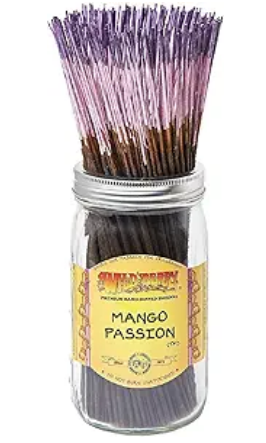

A customer stands at the rack for less than a minute. They want something that smells good, burns clean enough for regular indoor use, and does not feel like a gamble. Wildberry works because it answers that quick shelf test better than many incense lines.
The brand's popularity comes from a mix of scent range, consistent packaging, and low-friction buying. For personal use, that means it is easy to try a few different profiles without committing to a giant bundle of one fragrance. For a retailer, it means one brand can serve several customer types at once, from the person buying a fresh rain-type scent for home to the gift shopper who wants something sweet, playful, or familiar.
The packaging matters more than many reviews admit. In a small shop, packaged incense is easier to count, easier to reorder, and easier to keep looking tidy than bulk bin incense. Bulk bins can create a nice old-school browsing experience, but they also bring shrink, broken sticks, mixed fragrances, and scent contamination from open stock sitting too close together. Wildberry's packaged format gives up some of that loose, market-style charm, but it wins on inventory control and shelf consistency. That is a real advantage if staff turnover is high or floor space is tight.
Why customers keep coming back
Repeat buyers usually respond to a few practical strengths:
Consistent format: The customer knows what they are picking up, how much they are getting, and what the price point feels like.
Broad scent coverage: One display can satisfy fruity, clean, floral, earthy, and novelty preferences without looking scattered.
Easy recognition: Strong packaging helps returning customers spot their usual scent fast, which matters in busy stores.

I have seen this play out on both sides of the counter. Shoppers like products that feel easy to trust, and shop owners like products that do not create unnecessary handling problems. Wildberry sits in that middle ground well.
Another reason it sells is that the line invites exploration without becoming confusing. Some incense brands go very traditional and lose casual buyers. Others go novelty-heavy and struggle to build repeat habits. Wildberry usually lands in the more usable center. It has enough personality to be interesting, but the assortment still makes sense on a fixture.
For stores building an incense set, balanced assortment beats chasing only dessert scents or only headshop classics. A mix of clean, sweet, earthy, and crowd-pleasing blends gives better odds of repeat sales and better gift conversion. If you want a broader market comparison, this guide to best-selling incense sticks for 2026 is a useful companion.
The Wildberry Scent Experience A Deep Dive
A customer walks in asking for something "sweet but not childish" or "clean, but not soapy." That is where Wildberry either sells fast or disappoints fast. The name on the pack helps, but the final decision comes from how the scent burns in air, how much smoke it throws, and who is going to live with it for 30 to 45 minutes.

Wildberry works best when you sort it by fragrance family instead of shopping by clever scent names. That makes life easier for home users testing what suits their space, and it makes retail displays easier to shop at a glance. In stores, family-based merchandising also cuts down on the "I bought this because the name sounded good, but it was way too heavy" return conversation.
Fruity and sweet
Fruity profiles are the easiest entry point. They give quick payoff, read clearly on first burn, and usually appeal to casual incense buyers who want the room to smell pleasant without feeling formal or ritualistic. Good fruity blends smell juicy, bright, and recognizable. Poorer ones turn flat, syrupy, or gummy once the smoke builds.
This category moves well with gift shoppers and younger customers, but there are trade-offs. Melon-style scents can feel cloying in hot, humid weather, especially in small bedrooms or dorms. Fizzy, candy-like profiles often sell quickly near the register, though they skew younger and do not always create strong repeat habits with older customers.
For personal use, fruity scents are good daytime burners. For retail, they earn their shelf space because people understand them fast.
Floral and fresh
Floral and fresh scents are harder to do well. The good ones smell airy, green, slightly powdery, or gently petaled. The weaker ones drift into detergent, shampoo, or bathroom spray territory once lit.
Customers who buy these usually want support, not saturation. Bedrooms, treatment rooms, yoga spaces, and studios are strong fits. I also find that floral and fresh SKUs help calm down a display dominated by sugar-heavy or resinous options. They give shoppers a reset point.
Room context matters here. A soft floral that feels balanced in a medium living room can read sharp in a tight office. Stores that sample incense in person should test these with restraint, because over burning a fresh scent is the fastest way to make it feel artificial.
For readers comparing category behavior across brands, this guide to the scent profile of popular incense sticks adds useful context.
Earthy and woody
Earthy and woody blends bring depth. These are the scents customers buy when they want atmosphere with some weight behind it. Notes in this family often come across as dry cedar, damp soil, old wood, soft resin, or incense-shop air.
These usually attract repeat burners more than casual dabblers. They also perform well in stores that already sell crystals, herbs, journals, ritual goods, or meditation tools because the scent expectation is already there. On the shelf, they prevent the assortment from feeling sugary and one-note.
One caution. Earthy blends can intimidate first-time buyers if the packaging name sounds too dark or abstract. Grouping them near warm or fresh profiles usually improves trial.
Spicy, warm, and exotic
This is the family for customers who want the incense to shape the room. Spiced and warm profiles tend to feel fuller, denser, and more lingering than fruity or floral options. In cooler months, they often outperform lighter scents because they hold their character better in larger rooms and open-plan spaces.
These are also the scents where overburn becomes a real issue. A rich clove, amber, or exotic spice blend can smell excellent for the first ten minutes, then turn oppressive if the room has poor airflow. For home use, partial burns often work better than running the full stick. For retail, these scents sell best when staff can explain that richness is a feature, but only if the customer matches it to the right room size.
A practical assortment, whether for one shelf or one home stash, usually looks like this:
Fragrance family | Best use | Common buyer reaction |
|---|---|---|
Fruity and sweet | Daytime, casual burn | Easy to like quickly |
Floral and fresh | Bedrooms, studios, calm spaces | Clean and uplifting |
Earthy and woody | Ritual, meditation, evening | Grounding and serious |
Spicy and warm | Long sessions, mood setting | Rich and memorable |
Citrus leaning | Quick refresh, active spaces | Bright and energizing |
Understanding Quality Ingredients and Burn Time
Quality shows up in two places fast. On the first cold sniff at the counter, and in the room after ten or fifteen minutes of burn.
People asking whether Wildberry incense sticks are "good quality" usually want a practical answer. They want to know if the stick burns cleanly enough, throws a scent with a clear identity, and lasts long enough to feel worth buying, using, or stocking. For a home burner, that means fewer disappointing sessions. For a retailer, it means fewer packs that smell interesting in the box but fail once a customer gets them home.
Wild Berry offers several formats, including traditional sticks, Biggies, Shorties, cones, and backflow cones. That matters because format changes the whole experience. Burn speed, smoke output, fragrance strength, and shelf appeal all shift depending on the form. A shop that stocks only one format misses buyers who want either a quick burn for a small room or a longer burn for ritual use and larger spaces.

What hand-dipped usually means in practice
Hand-dipped incense often has a stronger scent on the unlit stick, and that affects buying behavior more than many shop owners expect. Customers rarely buy incense by reading note pyramids. They open the tester, smell the dry stick, and make a fast decision.
A clear dry aroma usually sells better because it gives the customer confidence. If the cold scent is muddy, flat, or overly harsh, the pack is harder to move no matter how attractive the name is.
There is a trade-off, though. Heavy scent loading can make a fragrance feel dense and less nuanced once lit. In retail, the best performers are usually the blends that smell distinct without becoming overpowering in a small room.
Burn time and what it actually tells you
Burn time matters, but only in context. A longer stick is not automatically better. It only helps if the customer has the space and airflow for it.
Wild Berry's standard sticks are generally treated by buyers and retailers as a medium-length burn. That makes them easy to recommend because they fit everyday use. They work for reading, a treatment session, evening cleanup, or a short block of focused work without feeling either too brief or excessive.
For stocking decisions, medium burn formats usually earn their shelf space fastest. They appeal to the broad middle of the market. New buyers are more comfortable with them, and repeat buyers often come back for them because they are easy to fit into daily routines.
Choosing the right format for the room and the customer
Format should match the use case.
Short formats: Good for quick scenting, smaller rooms, and customers who like variety more than duration.
Standard sticks: The safest all-around choice for everyday home use and broad retail sell-through.
Larger formats: Better suited to open rooms, longer sessions, and buyers who already know they enjoy a stronger presence.
Cones and backflow cones: More about visual effect and concentrated scent release. They can be great add-on purchases, but they need the right burner and a customer who understands the different smoke behavior.
Material choice matters here too. Fragrance oils, base materials, and binders all affect how a stick smells before lighting and how it behaves once lit. For readers comparing ingredient styles, this guide to natural vs synthetic incense and how quality aromas are built gives useful context.
A good incense stick earns repeat sales when the scent profile, smoke level, and burn length all line up with the room and the person using it.
How to Use Wild berry Incense Safely and Effectively
A customer lights a sweet Wild berry stick in a small bedroom, shuts the door, and ten minutes later decides the brand is too heavy. The stick usually is not the problem. Room size, airflow, and burn length decide whether the scent feels pleasant or overwhelming.

Wildberry sticks are designed to give a noticeable fragrance throw, and that is part of their appeal. It also means setup matters. In enclosed rooms, incense smoke can build up fine particles and volatile organic compounds faster than many casual users expect, even when the smoke looks light. Good ventilation is part of proper use, especially in bedrooms, offices, and smaller retail spaces where customers may be scent testing several products in a row.
The basic burn setup
Start with the burner. Use a stable ash catcher that supports the stick firmly and catches ash for the full length of the burn. Keep it on a heat-safe surface with open space above it, away from curtains, paper goods, shelf edges, and HVAC drafts that can blow ash where it does not belong.
Light the tip until a small flame forms, let it burn for a moment, then blow it out. The goal is a steady red ember and a thin stream of smoke. A visible flame means the stick is burning too aggressively and will waste fragrance.
For a clear visual on achieving the right smolder without excessive flame, this brief demonstration shows the correct technique.
If you want a fuller reference for placement, extinguishing, and household precautions, the incense safety guide for home and shop use covers the basics clearly.
What works in small rooms and what doesn't
Small spaces need control, not commitment to a full stick every time. Half a session often gives a better result than pushing through a dense burn and then trying to clear the air afterward.
Do this: Crack a window or leave the door open to keep air moving.
Do this: Burn for a shorter session if the room is tight or scent-sensitive.
Do this: Set the burner where smoke can rise and disperse naturally.
Do not: Burn beside a bed, under shelving, or in a closed bathroom.
Do not: Treat low visible smoke as low exposure.
Retailers should apply the same logic at the counter. One tester burning all day near the register can fatigue staff and flatten the customer experience. Short, timed demonstrations work better and keep the scent field cleaner across multiple fragrance families.
When to extinguish early
A stick does not need to burn to the end to do its job. Once the room smells balanced, extinguish it. Press the lit end into sand, loose ash, or another non-flammable material made for snuffing embers, then check that the glow is fully gone before walking away.
Shop-floor advice: Customers who say incense feels “too strong” usually need a shorter burn, more airflow, or a better match between scent strength and room size. That is a usage fix as often as a product choice.
Storing and Pairing For the Best Aroma
Incense storage is simple, but careless storage ruins good fragrance faster than people think. Wildberry incense sticks should stay away from moisture, direct sun, and heat. If a pack sits near a bright window, in a steamy bathroom, or next to a warm appliance, the scent can flatten or drift.
A dry drawer, covered box, or closed cabinet works well. The main goal is keeping the scent stable and preventing one strong fragrance from taking over everything stored beside it. If you carry several scent families, separate the sweeter profiles from woods, spices, and musks so they don't blur together over time.
Pairing by mood instead of by name
A common error in incense pairing involves chasing matching names instead of matching effects. A better method is to combine roles.
For example:
Fresh plus woody: Good for focus and a cleaner-feeling workspace.
Floral plus earthy: Useful for meditation spaces that need softness and depth.
Sweet plus spicy: Better for evenings than daytime, especially in larger rooms.
This approach also helps retailers build bundles that feel intentional rather than random.
Matching format to the moment
Wild Berry's format spread includes 4-inch Shorties, 11-inch traditional sticks, and 19-inch Big E sticks according to the product ecosystem described in this Wild Berry video overview. That range suggests different jobs, not one universal default.
The practical lesson is simple. Don't ask one incense format to do everything. Store it properly, then choose the length and scent family that fit the room, the time available, and the atmosphere you want.
A Retailers Guide to Selling Wildberry Incense
A customer walks up to the incense wall, picks up three packs, pauses, and then puts two back. That moment usually comes down to display logic, not product quality. Wildberry sells better when shoppers can tell, fast, which scents fit their room, their mood, and their tolerance for smoke.
For retailers, that matters because Wild Berry covers several buying occasions in one brand family. Traditional sticks serve daily burners. Shorter formats suit quick scent refreshes and lower-commitment buyers. Longer or specialty formats appeal to customers shopping for ritual use, larger rooms, or a stronger scent presence. That range gives a store owner room to build a category with purpose instead of a rack that feels random.

What works on the sales floor
The best Wild Berry displays answer three customer questions before staff even step in.
What kind of scent is this? Group by family such as fruity, floral, fresh, earthy, warm, and sweet.
Where do I start? Set a small beginner section with familiar profiles and proven gift picks.
What else do I need? Place ash catchers, holders, and cone burners close enough to encourage an easy add-on.
I also recommend signing by use case, not just by fragrance name. “Small room,” “low-commitment burn,” “evening scent,” and “giftable favorites” convert better than a wall of names alone because they translate the product into a real-life decision. That helps personal-use shoppers and raises basket value without turning the display into a hard sell.
Retailers building the category from scratch can get useful planning ideas from this guide to starting an incense business and buying wholesale. It is a practical resource for assortment, margins, and shelf presentation.
Starter inventory that covers the shelf well
A good opening assortment should feel broad enough to invite discovery and narrow enough to restock confidently. The goal is not maximum scent count. The goal is clear choice.
Fragrance Family | Recommended Scents | Customer Appeal |
|---|---|---|
Fruity | Cherry, Strawberry | Easy first purchase, gift-friendly |
Fruity | Mango, Peach | Bright and approachable |
Floral | Rose, Jasmine | Familiar and classic |
Floral | Lavender, Gardenia | Calm-space shoppers |
Fresh | Fresh Rain, Linen-style profiles | Clean-room appeal |
Fresh | Citrus-forward scents, green blends | Daytime and active spaces |
Earthy | Patchouli, Musk | Ritual and metaphysical buyers |
Earthy | Sandalwood, forest-style scents | Grounding and steady |
Spicy | Cinnamon, clove-style blends | Seasonal and warm |
Spicy | Amber-style blends, exotic mixes | Richer mood setting |
Sweet | Vanilla, candy-style blends | Younger shoppers and impulse buys |
Mixed signature | House favorites from your local clientele | Builds repeat business |
This mix protects the category from drifting too far in one direction. A shelf packed with sweet scents can lose older customers who want woods, florals, or cleaner profiles. A wall of heavy earthy blends can miss gift shoppers and casual buyers who want something familiar and easy.
How to increase basket value without pushing too hard
Incense add-ons sell best when they solve a practical problem. A holder answers “How do I burn this?” A mixed three-pack answers “What if I pick the wrong scent?” A short-burn and long-burn pairing helps customers match the product to their room size and schedule.
Aroma Warehouse also carries incense accessories and fragrance-related supplies alongside incense products. In-store, that same logic works well. Keep tools and complementary items visible, but keep the main decision simple.
Merchandising note: Customers buy with more confidence when “quick burn,” “everyday burn,” and “long session” options sit side by side with a short note about smoke level or room fit.
Stores that perform well with Wild Berry usually treat it as a discovery category with repeat-purchase potential. Let customers compare. Keep the shelf readable. Reorder the scents that earn loyalty, then protect enough variety to keep the display worth browsing.
Conclusion Choosing Your Perfect Wildberry Scent
Wildberry incense sticks work best when you choose them with intent. Not every scent belongs in every room, and not every format belongs in every session. The buyers who stay happy with Wild Berry usually do two things right. They shop by fragrance family instead of by name alone, and they match burn style to room size and purpose.
For home use, the smart path is simple. Start with the scent family you already know you enjoy, burn with ventilation, and don't assume longer is always better. A shorter, cleaner session often gives a better result than pushing a full stick through a small room.
For retail, Wild Berry makes the most sense as a structured category. It has enough variety to support discovery, enough recognizable identity to encourage repeat purchases, and enough format diversity to merchandise by use case. A balanced display almost always outsells a random pile of singles.
Wild Berry's appeal isn't just fragrance count. It's the combination of scent breadth, usable formats, and shelf-friendly presentation. That's why it works for personal rituals, gift purchases, wellness settings, and front-counter retail alike.
Frequently Asked Questions
1. What makes Wild berry incense sticks different from other incense brands?
Wild berry incense sticks are known for their wide fragrance selection, hand-dipped production methods, and consistent scent performance. The brand offers multiple formats, including Shorties, traditional sticks, Biggies, cones, and backflow cones, making it easy to match burn time and fragrance intensity to different spaces.
2. How long do Wild berry incense sticks burn?
Standard Wild berry incense sticks typically provide a medium-length burn suitable for everyday use. Actual burn time varies based on stick size, room airflow, and environmental conditions. Shorties are ideal for quick scent sessions, while larger formats are better for longer rituals or larger rooms.
3. Which Wildberry fragrance family should I choose?
Choose scents based on the atmosphere you want to create:
Fruity and sweet scents work well for daytime use.
Floral and fresh scents suit bedrooms and wellness spaces.
Earthy and woody fragrances are popular for meditation and relaxation.
Spicy and warm blends create a cozy atmosphere for evenings and larger rooms.
4. Are Wild berry incense sticks safe to burn indoors?
Yes, Wild berry incense can be used safely indoors when burned responsibly. Always use a heat-resistant incense holder, place it away from flammable materials, never leave burning incense unattended, and ensure adequate ventilation.
5. How should I store Wild berry incense sticks?
Store Wild berry incense in a cool, dry place away from direct sunlight, humidity, and heat. Keep different fragrance families separated when possible to prevent scent transfer and preserve the original aroma.
If you're ready to explore scent families, compare formats, or add incense and accessories to your shelf mix, browse the current selection at Aroma Warehouse.