

Essential Oils Myrrh & Frankincense Guide: Benefits, Uses, Safety & Blending Tips
A client once brought me two bottles from a gift shop shelf and asked why one frankincense smelled bright and lemony while the other smelled flat and dusty. That question gets to the heart of essential oils myrrh frankincense: these oils carry ancient meaning, but their real value today depends on chemistry, safety, and sourcing.
Table of Contents
The Ancient Legacy of Frankincense and Myrrh - Why these resins mattered so much - From temple smoke to daily life
The Science Behind the Sacred Scents - How resin becomes essential oil - What the chemistry tells us
Sacred Scents for Modern Body and Soul - Where they fit in everyday wellness - Why people still reach for them in spiritual practice
Essential Safety and Dilution Guidelines - The non-negotiable safety issue with myrrh - Practical ways to use them more carefully
Crafting Your Signature Aromatic Blends - How the two oils behave in a blend - Frankincense and Myrrh Starter Blending Recipes
A Buyer's Guide for Quality and Potency - What to check before you buy - What wholesale buyers should watch closely
Frequently Asked Questions - Can I apply frankincense or myrrh directly to skin? - Is myrrh safe during pregnancy? - Can I ingest these oils? - How can I tell an essential oil from a fragrance product? - Why does my myrrh seem thicker than other oils? - Are these oils safe around pets? - Why do two frankincense bottles smell different?
The Ancient Legacy of Frankincense and Myrrh
Frankincense and myrrh begin as tree resins, not as bottled oils. Frankincense comes from Boswellia trees and myrrh from Commiphora trees, native to places such as Somalia, Ethiopia, Oman, and Yemen. In the ancient world, these resins weren’t niche luxuries. They were prestige goods, ritual materials, medicine chest staples, and trade drivers.

Why these resins mattered so much

The historical scale often surprises. Frankincense and myrrh were among the most valuable commodities in the ancient world, often worth their weight in gold and shaping trade routes as early as 1000 BCE, according to this history of frankincense and myrrh. Demand for them helped drive the domestication of camels and the rise of the Incense Route, connecting Arabia with Egypt, India, and the Mediterranean.
That matters because it explains why these aromas still feel loaded with meaning. People weren’t just burning something pleasant. They were handling materials tied to power, worship, healing, and long-distance commerce.
These resins entered cities the hard way, by caravan, tax, and risk. That long journey became part of their value.
Ancient accounts describe the Arabian Peninsula as a key trading center. By the time frankincense or myrrh reached a palace, temple, or elite household, the price had climbed with every stop. That’s one reason they became fitting gifts for royalty and why their appearance in the Nativity story still carries weight. If that biblical setting interests you, a thoughtful companion resource is faith journaling for Matthew, which helps readers reflect on those details.
From temple smoke to daily life
Their uses were broad. In ancient Egypt, frankincense was burned in the morning for purification, myrrh at noon, and a blend called kypri at night. Traces were found in King Tutankhamun’s tomb, showing how closely these materials were tied to embalming and sacred ceremony.
They also lived outside the temple. Egyptian queens used them in skincare and cosmetics. Charred frankincense even appeared in kohl eyeliner. In practical daily care, people chewed frankincense for digestive complaints, while myrrh was valued for respiratory and inflammatory concerns.
For modern readers, incense, resin, and essential oil can easily get mixed up. They’re related, but they aren’t the same thing. Raw resin can be burned directly, while essential oil is the concentrated aromatic fraction extracted from that resin. If you want a clear look at how traditional burning materials differ from bottled aromatics, the following guide to types of incense is useful.
The Science Behind the Sacred Scents
Once resin is collected, the move from sacred material to essential oil happens through extraction. The most useful way to think about it is like cooking with steam. Heat and water pull aromatic compounds out of the resin, then those compounds are condensed and separated into essential oil.

How resin becomes essential oil
A hydrodistillation setup does the heavy lifting. Resin is heated with water. Steam carries volatile compounds upward. Cooling turns that vapor back into liquid, and the oil is collected.
That process helps explain two things beginners often notice right away. First, frankincense and myrrh don’t smell interchangeable. Second, a resin-rich aroma in raw form can become sharper, brighter, or drier once distilled.
If you work with multiple aromatics, browsing a broader library of essential oils helps train your nose. Frankincense sits in a different aromatic family than floral oils or citrus oils, and myrrh behaves differently in a blend than many lighter materials.
What the chemistry tells us
Modern analysis gives us language for what the nose already detects. The essential oil of myrrh is dominated by sesquiterpenes such as β-elemene, while frankincense is rich in compounds such as n-Octylacetate at 34.66% in GC-MS analysis of oils from Ethiopian resins, as described in this published study on frankincense and myrrh oils.
Here’s the practical takeaway. Myrrh tends to smell deeper, heavier, and more grounding because its chemistry leans that way. Frankincense often reads cleaner, lifted, and more diffusive in the air.
Myrrh oil: Usually feels dense, earthy, balsamic, and tenacious in a blend.
Frankincense oil: Often feels airy, resinous, radiant, and easier to diffuse.
Together: They create contrast. One anchors, the other opens.
The same study also reported distinct therapeutic activity in vitro, including effects on specific cancer cell lines. That doesn’t mean home users should treat these oils like medicines in the casual sense. It does mean the old reputation of these resins isn’t based on aroma alone. Their chemistry is active, and active materials deserve careful handling.
A short visual overview helps if you prefer to learn by watching:
Practical rule: When an oil has a strong history and a strong chemistry, use less than you think you need at first.
Sacred Scents for Modern Body and Soul
People usually come to essential oils myrrh frankincense through one of two doors. Some want physical support for skin, breath, or massage blends. Others want an aroma that changes the feel of a room and helps them settle into prayer, meditation, or quiet work.
Where they fit in everyday wellness
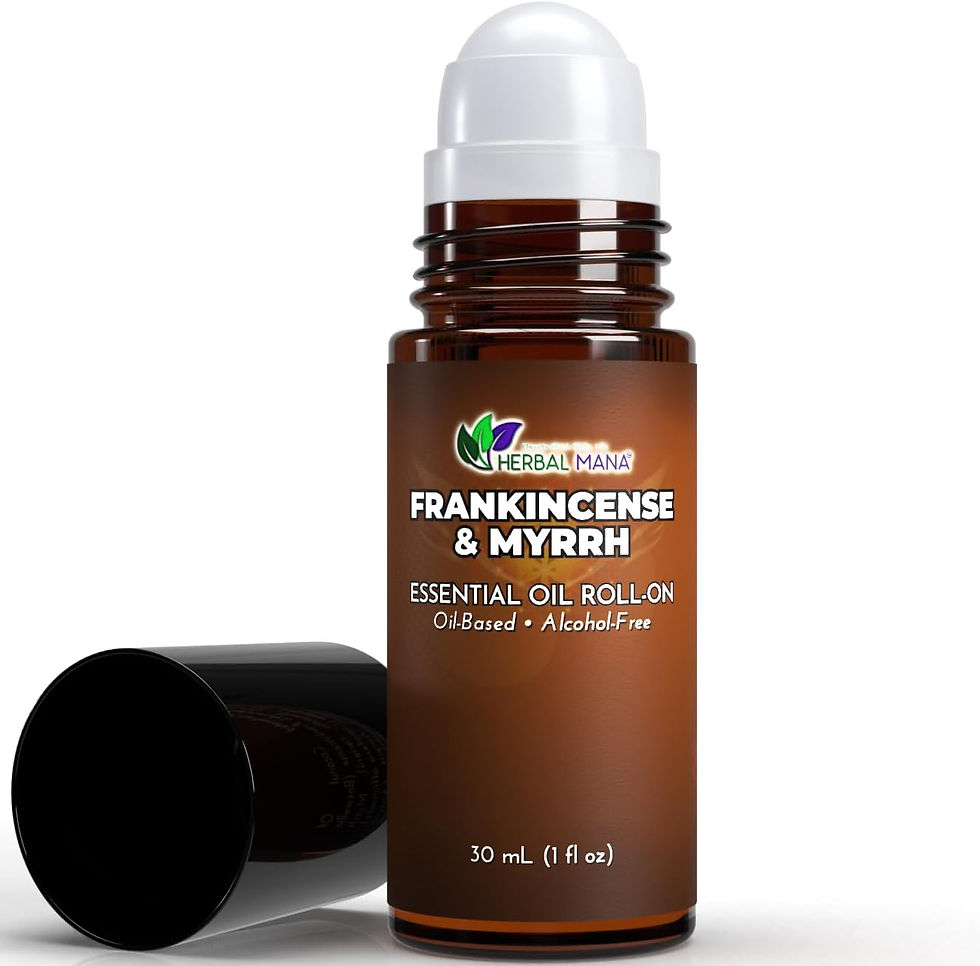
Frankincense often earns its place in facial oils, chest rubs, and diffuser blends because it
brings a clean resin note that doesn’t overwhelm the senses. Myrrh is thicker, darker, and more grounding. In topical formulas, that makes it feel at home in balm-style preparations and richer body oils.
A simple way to think about their roles:
For skin-focused routines: Frankincense is often chosen when someone wants a refined resin note in a serum or facial oil.
For heavier body blends: Myrrh adds body, warmth, and staying power.
For quiet evening use: The pair can create a slow, contemplative aroma that doesn’t feel sugary or perfumed.
That last point matters for wellness centers. Some spaces need a scent that supports stillness without smelling like a candle aisle. Frankincense and myrrh usually do that well because they feel dry, resinous, and ceremonial rather than flashy.
For bath and soak rituals, they also pair naturally with mineral-rich bases and unscented spa products. If you build private blends for clients or for your own self-care routine, scented bath salts are one of the easier ways to carry these notes into a longer, slower experience.
Why people still reach for them in spiritual practice
The spiritual side isn’t separate from the aromatic side. Scent changes attention. Resinous aromas tend to slow people down because they feel rooted and spacious rather than bright and stimulating.
Frankincense is often the note that creates lift. Myrrh is often the note that creates gravity. Used together, they can make a room feel intentional.
A good meditation blend shouldn’t demand attention. It should support attention.
Home users often overdo this category by making everything too strong. A diffuser cloud
that fills the room in seconds can feel impressive, but it usually works against prayer, journaling, or breathwork. These oils are better when they arrive gently.
For small studios, treatment rooms, or yoga spaces, that same principle applies. You want atmosphere, not saturation. The best resin-forward scenting leaves enough space for the room, the breath, and the practice itself.
Essential Safety and Dilution Guidelines
This is the part too many guides rush past. With essential oils myrrh frankincense, safety isn’t a footnote. It’s part of responsible use, especially when you’re blending for guests, clients, or family members who may assume “natural” means “risk-free.”
The non-negotiable safety issue with myrrh
Myrrh has potential emmenagogue effects, meaning it may stimulate uterine contractions, and it has a history as an abortifacient in traditional medicine, a concern highlighted in this safety-focused frankincense and myrrh product discussion. That’s the clearest reason pregnancy should trigger extra caution with myrrh-containing blends.
If you run a wellness space, this isn’t optional screening information. A massage oil, roll-on, or body application that seems harmless to staff can create avoidable risk for a pregnant guest if the formula isn’t reviewed carefully.
Here’s where confusion usually starts. People hear that frankincense and myrrh are ancient healing materials, then assume more is better. It isn’t. Potency is exactly why dilution matters.
Topical use: Always dilute in a carrier oil rather than applying neat to large areas.
Pregnancy concerns: Avoid casual use of myrrh in products intended for pregnant clients unless a qualified healthcare professional has cleared it.
Medication questions: If someone uses prescription medication or has an active medical condition, treat essential oil use as something to review, not assume.
If a label or product page says what an oil is good for but says little about who should avoid it, stop and ask more questions before using it.
Practical ways to use them more carefully
The source material available here supports one specific blending point: myrrh oil can be diluted to 1 to 2% in a carrier oil such as jojoba for targeted wellness blends, as reported in the earlier research discussion. That’s a sensible place to begin for many adults, especially with myrrh’s density and strength.
For everyone else, the safest path is conservative use. Start low. Patch test. Keep blends simple enough that you can identify what caused a problem if irritation appears.
A practical checklist helps more than vague reassurance:
Read the botanical identity. “Frankincense” alone isn’t enough for a buyer or practitioner.
Check the intended user. Adult home user, child, older adult, and pregnant client aren’t interchangeable categories.
Use the smallest effective amount. Stronger aroma doesn’t equal better outcome.
Keep records in professional settings. If you blend for clients, note ingredients and dates.
If you want quick guidance on handling, storage, and general product questions before blending, a well-organized aromatherapy FAQ page can save time and reduce mistakes.
Crafting Your Signature Aromatic Blends
Once you understand the character of each oil, blending gets easier. Frankincense usually brings lift and radiance. Myrrh brings depth and a slightly smoky, earthy base. When the ratio is right, the blend feels ancient without smelling heavy-handed.
How the two oils behave in a blend
Myrrh can dominate if you add it too quickly. It’s thick in texture and assertive in tone. Frankincense is often more forgiving, which is why many beginners build around frankincense first and add myrrh one drop at a time.

A few blending habits make a big difference:
Start with the anchor: Add myrrh first if you want to judge how deep the blend will feel.
Let frankincense open the formula: It often rounds rough edges and improves diffusion.
Use an optional bridge note: Cedarwood, sweet orange, or lavender can soften the space between the two.
Rest before judging: Resin blends often smell more integrated after sitting for a short time in a closed bottle.
If you also work with non-botanical scent materials for candles, soaps, or room products, fragrance oils belong in a separate category from essential oils. Don’t swap one for the other casually in formulas meant for aromatherapy-style use.
Frankincense and Myrrh Starter Blending Recipes
Here are simple starting formulas for testing aroma balance. They’re intentionally small and easy to adjust.
Blend Name | Application | Frankincense Drops | Myrrh Drops | Optional Addition |
|---|---|---|---|---|
Quiet Room | Diffuser blend | 4 | 1 | 1 drop cedarwood |
Resin Glow | Personal oil blend | 3 | 1 | 1 drop lavender |
Grounded Massage | Body oil blend | 5 | 2 | 2 drops sweet orange |
Use the table as a scent map, not a strict rulebook. If the blend smells too flat, add a brighter supporting note. If it smells too sharp, increase the grounding element carefully.
For first trials, keep your process simple:
Blend in tiny batches: Small test bottles waste less material.
Label immediately: Write the date and drop count while the formula is fresh in your mind.
Smell on paper and on air: A blotter strip and a diffuser test can give very different impressions.
A signature blend isn’t the most complex one. It’s the one you can recreate consistently.
A Buyer's Guide for Quality and Potency
A strong bottle starts with good decisions long before the cap is opened. Buyers often focus on price first, but with resins and resin-derived oils, quality clues are sitting right on the label.
What to check before you buy
Look for the botanical name. “Frankincense” and “myrrh” are common names, not full identities. A serious product should tell you what plant you’re buying. Country of origin matters too, especially when aroma, color, and consistency vary from region to region.

Then check the extraction method. Hydrodistillation is a standard reference point for these oils, and it gives buyers a clearer sense of what kind of aromatic profile to expect. If a seller doesn’t explain the material well, that’s a warning sign.
A practical buying list:
Botanical identity: The Latin name should be present.
Origin details: Region matters for consistency and sourcing transparency.
Extraction method: Buyers should know whether they’re comparing like with like.
Packaging: Dark bottles help protect oils from light exposure.
Storage advice: Good sellers tell you how to protect the product after purchase.
What wholesale buyers should watch closely
Retailers, spas, smoke shops, and private-label makers need to watch the supply side, not just the scent profile. Climate change is affecting frankincense harvests in places such as Somalia, with projected 2026 UN agricultural reports indicating a potential 15% yield drop and a projected 20% increase in wholesale prices, as noted in this discussion of frankincense and myrrh research and market implications.
That’s a projection, not a guarantee, but it’s still useful. If you buy in bulk, you should plan for possible swings in cost and availability rather than assuming a resin oil will remain stable year-round.
For small business clients, that changes purchasing behavior in practical ways:
Buy with consistency in mind: Secure enough of a lot if you need repeatable aroma for a house blend.
Document vendor details: When a profile changes, you’ll want to know why.
Store correctly after arrival: Heat, light, and excess air shorten the useful life of aromatic materials.
A beautiful oil can still become a disappointing product if it sits near a sunny window, in a warm stockroom, or in half-empty bottles for too long.
Frequently Asked Questions
Can I apply frankincense or myrrh directly to skin?
It’s better to dilute first. These are concentrated materials, and myrrh in particular deserves cautious handling. Start with a carrier oil and patch test before broader use.
Is myrrh safe during pregnancy?
This is the category that deserves the most care. Because myrrh has potential emmenagogue effects and a traditional history that raises reproductive safety concerns, pregnant users shouldn’t treat it casually. A qualified healthcare professional should guide any decision here.
Can I ingest these oils?
Not on your own. Ingestion falls outside everyday home aromatherapy and shouldn’t be approached without expert medical supervision.
How can I tell an essential oil from a fragrance product?
Read the label closely. An essential oil should identify the plant source. A fragrance product may smell wonderful, but it isn’t the same thing and shouldn’t be assumed interchangeable for aromatherapy-style use.
Why does my myrrh seem thicker than other oils?
That’s normal. Myrrh often has a heavier consistency than many familiar oils, which is one reason it’s easy to overpour. Warm hands and patient measuring help.
Are these oils safe around pets?
Use extra caution. Animals can be more sensitive to airborne and topical aromatics than humans. Keep diffusion light, allow ventilation, and never apply products to pets unless a qualified veterinary professional says it’s appropriate.
Why do two frankincense bottles smell different?
Species, origin, age, extraction, and storage all affect aroma. That difference doesn’t always mean one is fake, but it does mean labels and sourcing details matter.
If you want dependable supplies for home projects, treatment rooms, resale shelves, or private-label experiments, Aroma Warehouse offers incense, oils, bottles, bath products, and aromatic accessories that make it easier to build, test, and stock with confidence.
Frequently Asked Questions
1. What are the benefits of frankincense and myrrh essential oils? Frankincense is known for its uplifting, calming aroma and is often used in skincare and meditation. Myrrh provides a deeper, grounding scent and is commonly used in body oils and wellness blends.
2. Can you use frankincense and myrrh essential oils on your skin? Yes, but they should always be diluted with a carrier oil before applying to the skin to avoid irritation.
3. Is myrrh essential oil safe during pregnancy? Myrrh should be avoided during pregnancy unless approved by a qualified healthcare professional due to potential safety concerns.
4. Why do different frankincense oils smell different? Variations in species, origin, extraction methods, and storage conditions can all affect the scent profile of frankincense oil.
5. How do you blend frankincense and myrrh essential oils? Start with frankincense as a base and add myrrh gradually. A common beginner ratio is 3–5 drops frankincense to 1–2 drops myrrh, adjusting to preference.


